๐Ÿ ๐Ÿ“ž Call Now
Chat with us! ๐Ÿ’ฌ
๐Ÿบ Free Austin planning tool ยท Event Planning

How Much to Bring on a BYOB Party Bus in Austin

Bringing your own drinks is the main reason a party bus night costs less than the same night in bar tabs, but guessing quantities is how you end up with 90 warm beers or none at all. This calculator asks for how many are coming, hours, and a drinking pace (light, moderate, or heavy), and returns four shopping-list numbers: beers or seltzers, bottles of wine, bottles of liquor, and pounds of ice. Under the hood it assumes half a drink per person per hour at the light setting, one at moderate, and one and a half at heavy, then splits the total into a 60/15/25 mix of beer, wine, and spirits.

Use the byob drink calculator

You'll Need:

๐Ÿบ 48 beers/seltzers
๐Ÿท 3 bottles wine
๐Ÿฅƒ 2 bottles liquor
๐ŸงŠ 30 lbs ice

Our buses have built-in coolers and wet bars!

Want the real number?

Tell us the date and how many are coming, and we'll price the actual trip.

We use what you send here only to get back to you about your ride.

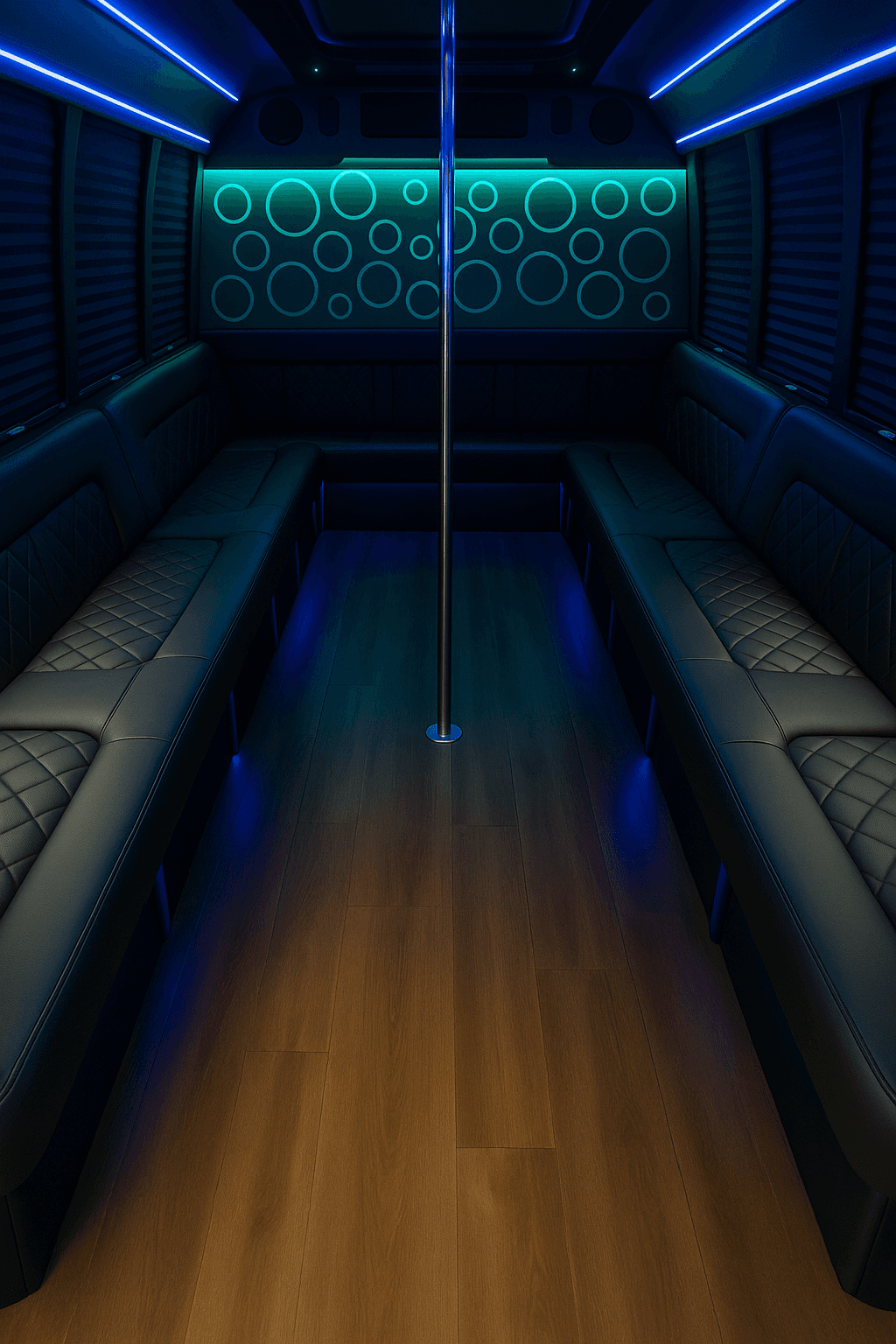
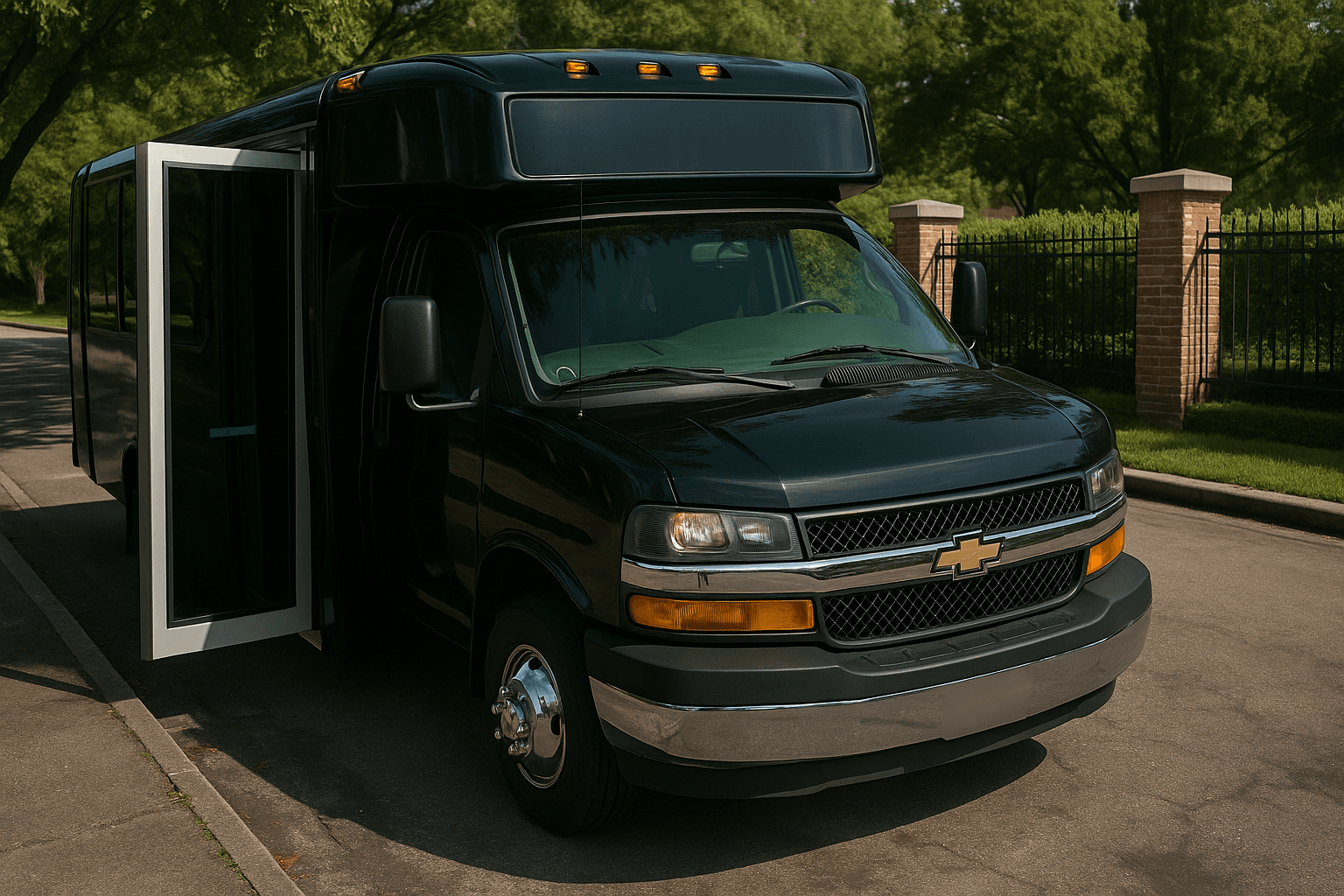
Interior bar area of the 20 passenger party bus
  1. 1Enter people and hours
  2. 2Pick drinking level
  3. 3Shop from the beer/wine/liquor/ice totals
  4. 4Confirm BYOB rules when you book

What Austin groups actually ask for

Numbers from our own Austin inquiry records and booking data, so the estimate you just ran sits next to what other groups planned.

of Austin requests are 4-hour requests
46%of Austin requests are 4-hour requests
median requested trip length for Austin requests
5 hrsmedian requested trip length for Austin requests
of night-out requests ask for a party bus
76%of night-out requests ask for a party bus
median wine-tour group size
14median wine-tour group size

Source: Austin Party Ride inquiry records (2023โ€“2026) and our booking-data library. Percentages are rounded; historical quotes are references, not offers.

The groups that use this most are the ones doing a Lake Travis afternoon, a Rainey Street bar crawl where the bus is the pregame, or a Texas football tailgate run from a Cedar Park pickup to the stadium. It also gets a lot of use from bachelorette organizers who want a case of seltzer and two bottles of sparkling wine on ice before the first winery on US-290. Party buses are the requested vehicle on about 76% of night-out inquiries in our booking data, and almost all of those groups bring something aboard.

Take the numbers as a shopping ceiling, then adjust for who is actually coming. A group that only drinks beer can zero out the wine and liquor lines and add the difference back as cans. Whatever you bring must follow the rules that apply on every vehicle we book in Texas: no glass, nobody under 21 drinking, and nothing open when the doors open at a stop. Coolers are built into the bus, so ice and cans are the only things you need to carry on.

What the light, moderate, and heavy settings actually mean

Light is a drink every two hours per person: a brunch bus, a family reunion shuttle, a corporate outing where people are being polite. Moderate is a drink an hour, which is the honest setting for most Austin birthday and bachelor groups over a 4- or 5-hour night. Heavy is a drink and a half an hour, and it is the right pick for a bus that is the party rather than the ride to it, like a Saturday loop with no bar stops at all. Nobody drinks at a steady rate, so these are averages across the whole trip.

The reason the settings matter more than the group size is that they change the total by a factor of three. Twenty people for four hours is 40 drinks on light, 80 on moderate, and 120 on heavy. If half the group is driving home from the drop-off point, or several people are pregnant or not drinking, count only the drinkers in the people field and leave the level where it belongs. Overestimating the level is cheaper than overestimating the group size because leftover cans keep; leftover ice does not.

Austin rules for drinks on a party bus, plainly

Cans and plastic only. A bus with wrap-around leather seating and a wet bar is not a place for glass bottles, and a broken one at the first pothole on I-35 ends the night. Pour wine and spirits into plastic bottles or cups before boarding, or buy canned wine and premixed cocktails in cans, which have become easy to find at any H-E-B. Boxed wine works fine in a cooler. Growler fills from a brewery in Dripping Springs need to be in plastic or stay sealed in a bag until you are home.

Everyone drinking has to be 21. That applies on a prom bus, a quinceanera shuttle, and a graduation party even when a parent is aboard. If anyone in the group is under 21, the simplest plan is a dry bus, and we say so at booking. Open containers stay on the bus; carrying a drink onto 6th Street or into a parking lot at Q2 is a citation waiting to happen, and the driver will remind you. Any spill, sickness, or damage is handled under the cleaning terms that come with your price, so a roll of paper towels and a trash bag are the cheapest things you will pack.

  • โœ“Cans, plastic, and boxed wine only; no glass of any kind
  • โœ“21 and over to drink, no exceptions for chaperoned groups
  • โœ“Drinks stay on the bus at stops; nothing walks off with you
  • โœ“Pack a trash bag, paper towels, and bottled water alongside the ice

Want a number for your actual date?

The estimate gets you in the right range. The price we send you is the one that counts.

Ice, coolers, and the Texas heat problem

The ice line in the calculator is 1.5 pounds per person, which is enough to chill a first round and keep a cooler cold for a 4-hour night in March. It is not enough for an August afternoon at Lake Travis. In July and August, when Austin highs sit in the high 90s, plan on doubling it and buying the second batch at a gas station in Lakeway or Spicewood on the way out rather than watching it melt in a parking lot in South Austin.

The buses have built-in coolers, but pre-chilled cans matter more than the ice. Warm cans dropped on ice take 30 minutes to get cold; cold cans stay cold on a thin layer. Buy the beer and seltzer cold, load the coolers before the pickup rather than after, and put the ice on top. A half-and-half mix of ice and water chills faster than ice alone. For a wine and seltzer bachelorette crowd, keep a separate small cooler for the sparkling wine so it is not buried under 48 cans.

Shopping by route: downtown night versus Hill Country day

A downtown night with two or three bar stops needs less on the bus than the calculator assumes because people drink at the bars. Run it with the total hours, then cut the beer number by a third if the plan has more than one bar stop. What you want on a Rainey Street night is enough for the ride in from Round Rock and the ride home, not a full night of supply. Water is the item most groups forget and most need on the way home.

A Hill Country day flips it. A brewery or winery tour on US-290 means tasting at each stop, and most groups keep the bus supply to water, seltzer, and a few cans for the drive between Dripping Springs and Johnson City. Wine-tour groups in our booking data are a median of 14 passengers and plan about 33 days ahead, and they tend to run the calculator on light, bring seltzer and water, and buy bottles at the wineries to take home rather than open on the bus. A Lake Travis afternoon is the one route where heavy is realistic, and where the ice line is the one to overbuy.

Budgeting drinks alongside the ride

Once the calculator hands you a list, price it before you split anything. A 48-can order of beer or seltzer, three bottles of wine, and two of liquor for 20 people is a fraction of what those same 20 people would spend on two rounds each at a downtown bar. Put the total into the event budget planner under the drinks line so the per-person number covers the whole night, then collect once. Historically, party bus quotes in our booking data work out to a median of about $92 per passenger; drinks usually add far less than that per head.

Two practical habits make the collection easier. First, one person buys everything and gets reimbursed rather than ten people bringing ten random things. Second, buy the ice last and buy the cans a day early. Costco on Research Boulevard, the big H-E-B on South Congress, or Spec's on North Lamar handle a 20-person order without notice. If someone in the group has a preference that is not beer, wine, or a base spirit, they bring it themselves in a plastic bottle.
Worked examples from Austin groups

Realistic scenarios run through this tool, with the decision each group made next.

Twenty for a 4-hour Saturday night, moderate pace

Setup: A 30th birthday group of 20 is doing a 4-hour Saturday loop with dinner on South Congress and one Rainey Street stop. Enter 20 people, 4 hours, Moderate.

Result: The calculator returns 48 beers or seltzers, 3 bottles of wine, 2 bottles of liquor, and 30 pounds of ice. Because two of the four hours are at a restaurant and a bar, trim the beer to about 32 cans and keep the rest. Ice at 30 pounds is fine for a spring or fall date; in August buy 45. This is a shopping estimate, not a rule.

Bachelor party of 12 on a 6-hour Lake Travis afternoon

Setup: Twelve friends leave a downtown hotel at noon for a marina near Lakeway, spend the afternoon on the water, and ride back at 6. Enter 12, 6 hours, Heavy.

Result: The list comes out to 65 cans, 4 bottles of wine, 2 bottles of liquor, and 18 pounds of ice. Most bachelor groups zero the wine line and add cans instead. The 18 pounds of ice is the number to double for a summer lake day; buy the second bag on the way out. Remember the drinks stay on the bus; nothing open walks onto the dock.

Company outing, 30 people, 5 hours, light pace

Setup: A 30-person team shuttle from an office near The Domain to a Dripping Springs distillery and a late lunch on a Friday. Enter 30, 5 hours, Light.

Result: The calculator shows 45 cans, 3 bottles of wine, 2 bottles of liquor, and 45 pounds of ice. For a distillery outing, where the tasting is the point, most organizers bring the 45 cans as a mix of seltzer and water, skip the wine and liquor entirely, and keep ice at the suggested 45 pounds since 30 people go through water fast in the Hill Country.

Austin Party Ride polls

Polls that pair with the byob drink calculator

Vote on how other groups handle the same decision, then compare with your estimate.

Alcohol & BYOB

Tap an answer to vote. Results update as soon as you vote.

What is your stance on lowering the legal drinking age in your city?

0 votes

How do you feel about increasing taxes on alcoholic beverages?

1 vote

Should local bars close earlier to reduce noise complaints?

0 votes

Should alcohol consumption be allowed during city-sponsored sporting events?

0 votes

Want the whole list? Visit the polls page or check the poll results.

BYOB Drink Calculator questions

Straight answers about how the estimate works and what changes it.

No fixed limit, but the coolers have finite space. A 20-passenger bus comfortably holds about two cases of cans plus ice; beyond that, bags of cans sit in the aisle and get in the way. If the calculator shows more than three cases, the answer is usually that the night has bar stops and the bus supply should be smaller.
It is not a good idea and most vehicles will not take one. A keg is heavy, needs a tap and a bucket of ice, and foams badly on Austin roads. Cans in the built-in coolers do the same job with no cleanup. If a keg is central to the plan, put it at the destination, not on the ride.
Yes. The wine line assumes 750 ml bottles at five glasses each, and the liquor line assumes 750 ml bottles at about 16 pours. Because both must be decanted into plastic or bought in cans, many groups convert the liquor line into premixed canned cocktails at roughly one can per pour.
The ride stops. Texas law on minors and alcohol is not something a driver will negotiate, and a booking with anyone under 21 aboard is treated as a dry trip from the start. If your group is mixed ages, plan a dry ride and drink at your 21-plus stops; the calculator is irrelevant in that case.
Count drinkers only. The driver never drinks, and non-drinking guests add to the ice and water need but not to the beer, wine, and liquor lines. A group of 24 with 6 non-drinkers should enter 18 people and then add a case of water and a few extra pounds of ice on top of the result.
At the first pickup address, which is why a house or hotel pickup beats a curbside downtown meet. Coolers are loaded in a driveway in five minutes; loading two cases on Congress Avenue at 7 p.m. on a Saturday is a scramble. If the pickup must be downtown, have one person bring everything in a rolling cooler.
Only the ice line, and only as a proxy for water and soft drinks. For a dry event, 1.5 pounds of ice per person is a solid planning number for keeping sodas, juice, and water cold over a 4-hour window. Ignore the rest of the output.
The group, under the cleaning terms that come with the price. Minor spills wiped up with the paper towels you brought are not a problem. Anything that needs professional cleaning is billed after the trip. Sticking to cans, keeping a trash bag handy, and pacing the group are the three things that keep that line at zero.

Get a quote after using the byob drink calculator

Tell us what the calculator gave you and we'll match it to a real bus and a real price.

We use what you send here only to get back to you about your ride.

๐Ÿ“ž Call NowGet Free Quote โ†’