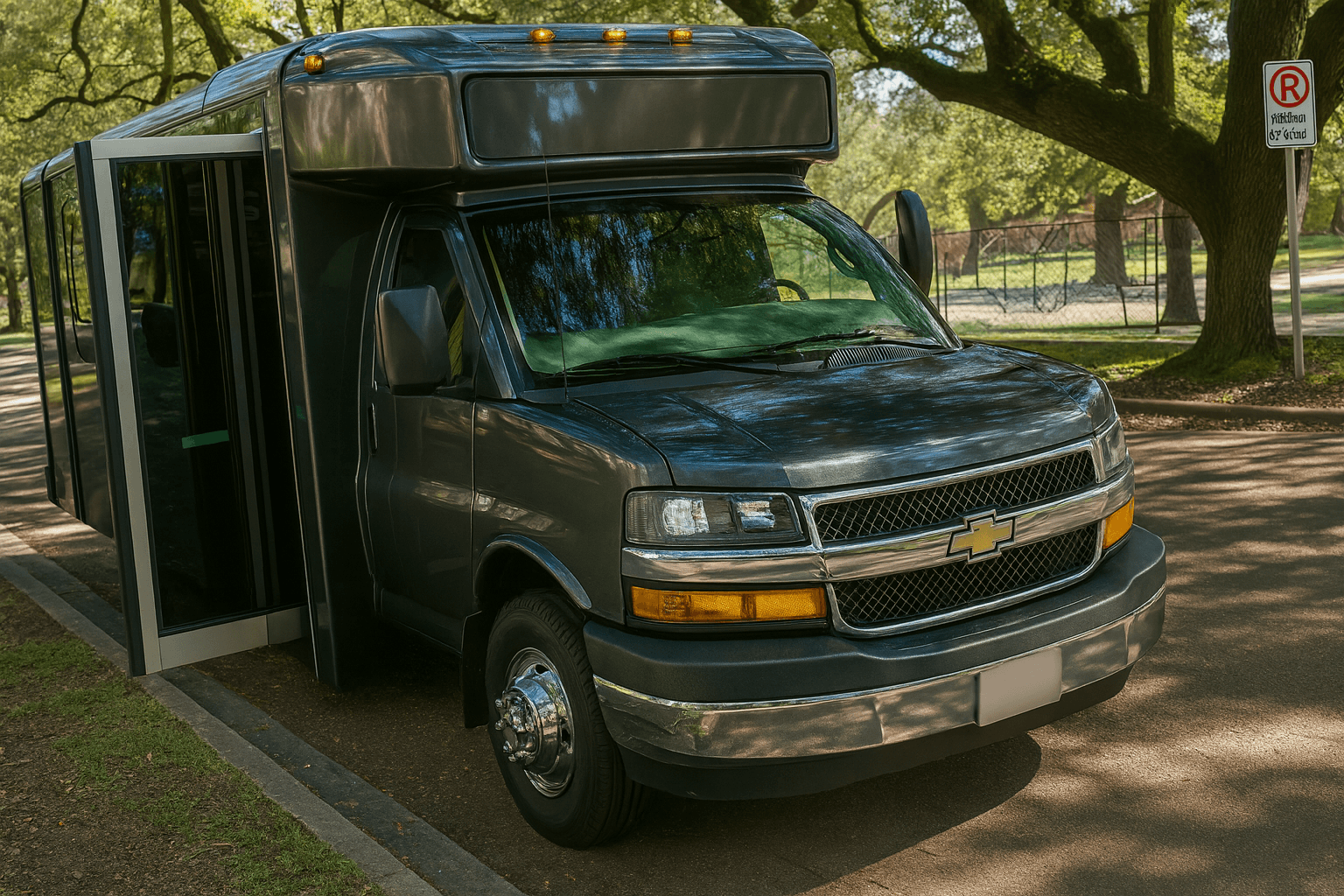
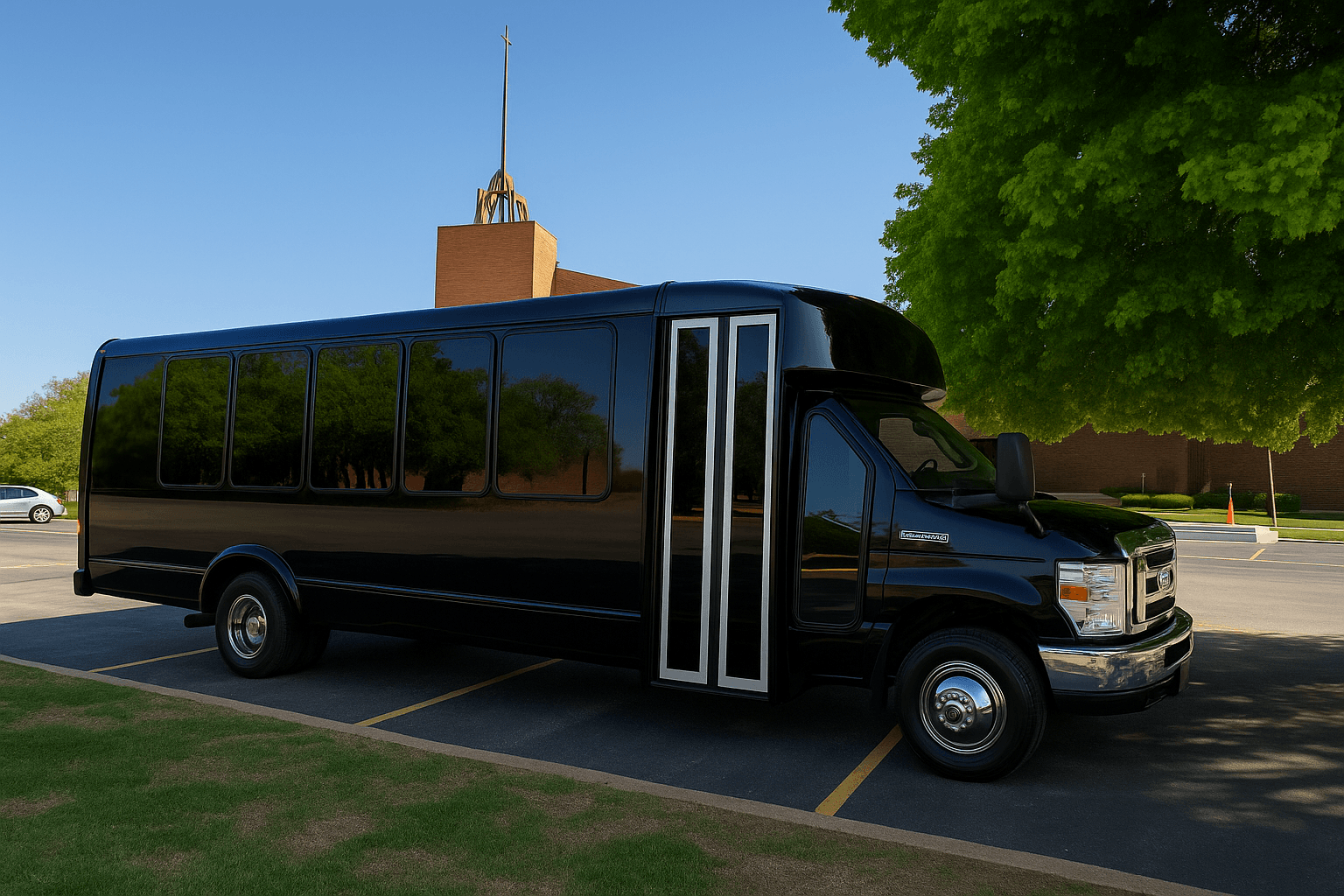
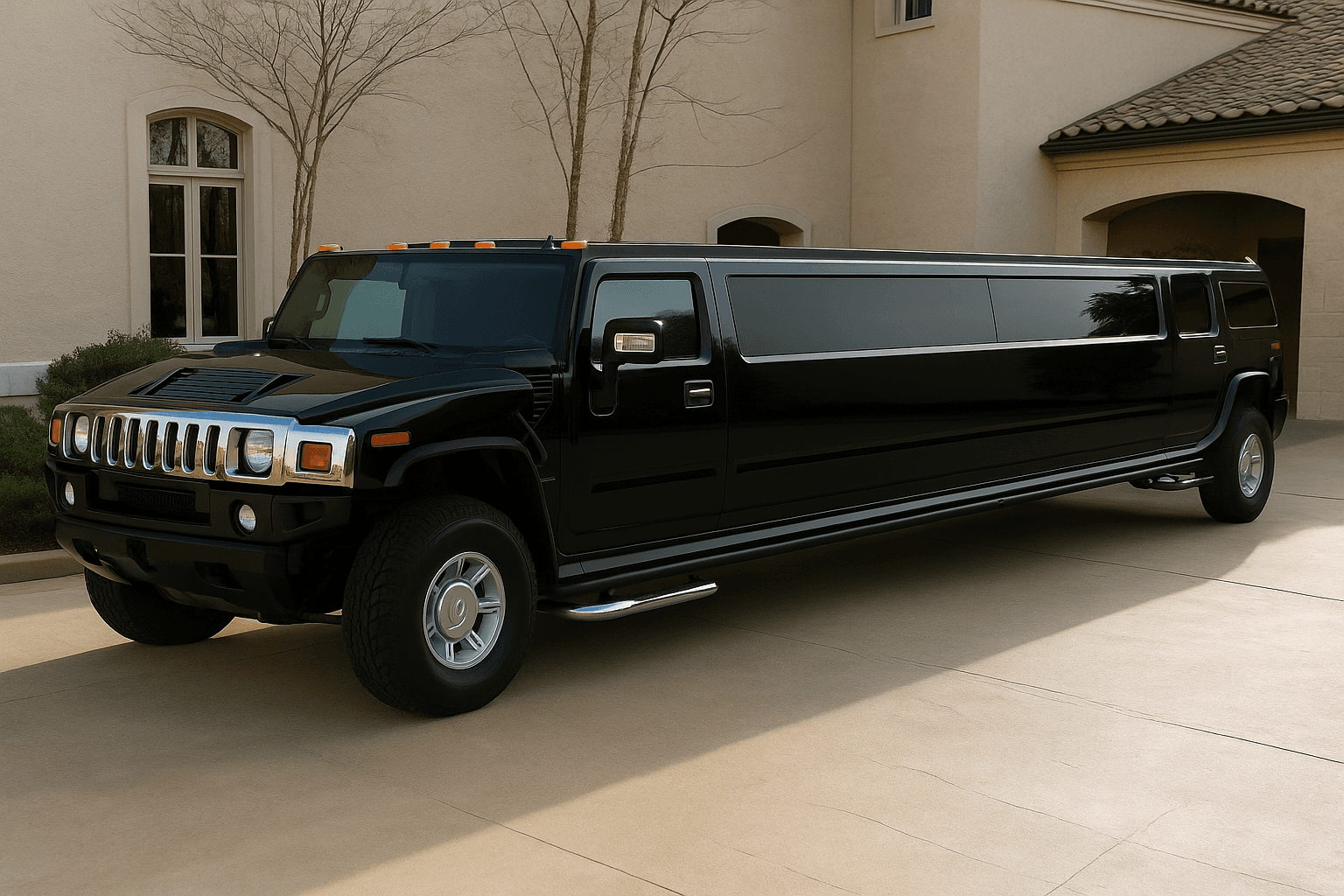
The organizer of a bachelor weekend on Rainey Street uses it before posting in the group chat, because "it's $125 each" gets commitments and "it's around fifteen hundred" gets silence. A mom planning a quinceañera court ride uses it to decide whether the families split the bus or the hosts absorb it. A Pflugerville office pricing a Trail of Lights run uses it to see whether the company covers the whole thing or asks for a small contribution. Any group where money moves between friends benefits from a clean, rounded figure nobody has to recalculate.
After you get the number, decide who is actually paying. Guests of honor usually ride free, so a 16-person prom bus might be split by 15 or by 8 sets of parents. Then decide whether the tip goes into the total before the split or gets collected on the night. Run the tool with the adjusted inputs, screenshot the result, and send it with a payment deadline. The quote request comes after everyone is in.
What Austin groups have historically paid per head
Before you split your own number, it helps to know what other groups have landed on. Party bus quotes in our booking data have historically worked out to a median of about $92 per passenger across the whole trip. Limousine quotes run higher at a median of about $146 per passenger because the cabin is smaller and the entrance is the point. Shuttle buses drop to about $56 and full-size coaches to about $45, which is why 40-person church trips and company outings so often end up on a shuttle rather than two party buses.
The biggest driver of per-head cost is not the vehicle, it is how many people share it. Groups of 10 or fewer in our booking data have historically seen a median of about $175 per passenger because a vehicle minimum is spread across a handful of people. Groups of 21–30 have historically seen about $69 per passenger, roughly a third below the overall median of $103. Adding four friends to a 12-person bachelorette does more for everyone's wallet than shaving an hour off the trip.
These are references from past requests, not prices for your date. Use them as a sanity check: if your split lands wildly above the historical medians for your group size, the total might be a peak-weekend figure or you might be paying for more hours than the route needs.
Who counts as a payer: the question that breaks most group chats
The people field asks for the number of people, but what you should enter is the number of people paying. Those are rarely the same. The bride at a Hill Country wine tour rides free. The birthday girl at a Barton Springs day trip rides free. Sometimes the best man covers a bigger share. Sometimes two couples are on one budget. If 14 people ride and 12 pay, enter 12, or the organizer eats the difference.
Bachelor and bachelorette groups feel this most sharply. The median bachelor or bachelorette inquiry in our booking data is for 12 passengers, three below the overall median of 15. With the guest of honor excluded, that is 11 payers, and the difference between dividing by 12 and dividing by 11 on a $1,300 bus is about $10 a head. Small, but it is the kind of thing that turns into a Venmo request nobody wants to send.
- ✓Exclude the guest of honor before you split unless the group agrees otherwise
- ✓Count couples on shared budgets once if that is how they will pay
- ✓Decide up front whether no-shows still owe their share, and say so in the message
- ✓Set a payment deadline that lands before the deposit is due, not after
Want a number for your actual date?
The estimate gets you in the right range. The price we send you is the one that counts.
Where the tip and the extras go
The splitter divides whatever total you give it, so the question is what to include. Most Austin groups budget a chauffeur tip of 15–20% of the rental, and the cleanest approach is to add it to the total before splitting. A $963 bus with a 20% tip becomes about $1,156, and on a 22-person birthday that moves the per-head figure from $44 to $53. Collecting the tip separately at the end of the night on 6th Street rarely goes well.
BYOB costs can go in too. A cooler run for 20 people over 4 hours can add a couple of hundred dollars in cans, ice, and mixers, and it is easier to fold that into one number than to have three people buy supplies and chase reimbursement. The same logic applies to shared decorations for a bus-length banner, matching shirts for a bachelorette, or a group entry fee at a Lake Travis marina.
Per-head math at Austin's most common group sizes
In our Austin inquiry records, 54% of groups that told us how many were coming fall between 11 and 20 passengers, so that is where the per-person math matters most. At 12 people, every $100 on the total is about $9 each. At 20 people, the same $100 is $5 each. The cost calculator on this site prices group sizes in bands, so 14 guests and 20 guests share the same base figure; in per-head terms that makes the 20th rider close to free. Filling the last few seats is the single most effective way to lower what everyone pays.
The next band, 21–30 passengers, is about 17% of Austin groups and where a step up in vehicle size becomes worth it. Going from 20 to 24 people may push the total up because you need a bigger bus, but with four more payers the per-head figure can still fall. Run both scenarios before deciding whether to cap the guest list at the smaller bus.
Collecting the money without losing friends
Once the per-head number is set, timing matters. The median inquiry in our booking data arrives 30 days before the event, and a deposit is typically confirmed soon after the price comes back. That means you need commitments in hand before the deposit, not after. A message that says "$65 each, due Friday, bus is confirmed once we hit 14" gives people a number, a deadline, and a reason to move.
Leave yourself a small buffer. If the split comes to $65 and you ask for $70, you cover a dropped rider or an unexpected extra hour when the group decides to add a last stop at Whisler's on East 6th. Announce that any leftover gets refunded or goes toward the tip, and nobody minds the extra five dollars.