The people who use it most are the ones stuck with the job of collecting money. A bachelorette organizer with 14 friends texting "how much is it?" before anyone commits. A UT senior pricing a 6th Street birthday before the group chat loses interest. An office manager in Round Rock who needs a rough transportation line before the holiday party budget gets approved. In our booking data, price is the first thing asked on 47% of sales calls, so this page exists to answer that question before you ever pick up the phone.
Once you have the estimate, do two things with it. Divide it by how many are coming so the group hears a per-person figure instead of one scary total. Then tell us the actual date, pickup address, and where you're going, because the real number depends on things this calculator cannot see: which vehicles are free that night, how far the pickup is from central Austin, and whether your date collides with SXSW, ACL, F1, or a home football Saturday.
Why the weekday and weekend toggle changes the answer so much
Flip the day type from weekday to weekend and every hour past the first gets more expensive. That is not an arbitrary switch. About 55% of Austin inquiries with a known event date ask for a Saturday, and about 82% land somewhere in the Friday-to-Sunday window. When almost everyone wants the same two nights, those nights carry the demand and the pricing follows. A Tuesday in January, by contrast, falls in the quietest requested month in our booking data, and a group asking for that date usually gets its first-choice vehicle and a softer hourly figure.
The calculator applies the same weekend uplift to every weekend, but real Austin weekends are not equal. A Saturday in late April lands in prom season, when 16- to 20-passenger buses are the scarcest they will be all year. The two ACL weekends in October, the F1 race weekend at Circuit of the Americas, and any Saturday with a home game at DKR Texas Memorial Stadium all pull inventory out of the pool. If your date is one of those, treat the weekend estimate as the low end of the range rather than the middle of it.
How the size bands work and where 11–20 groups land
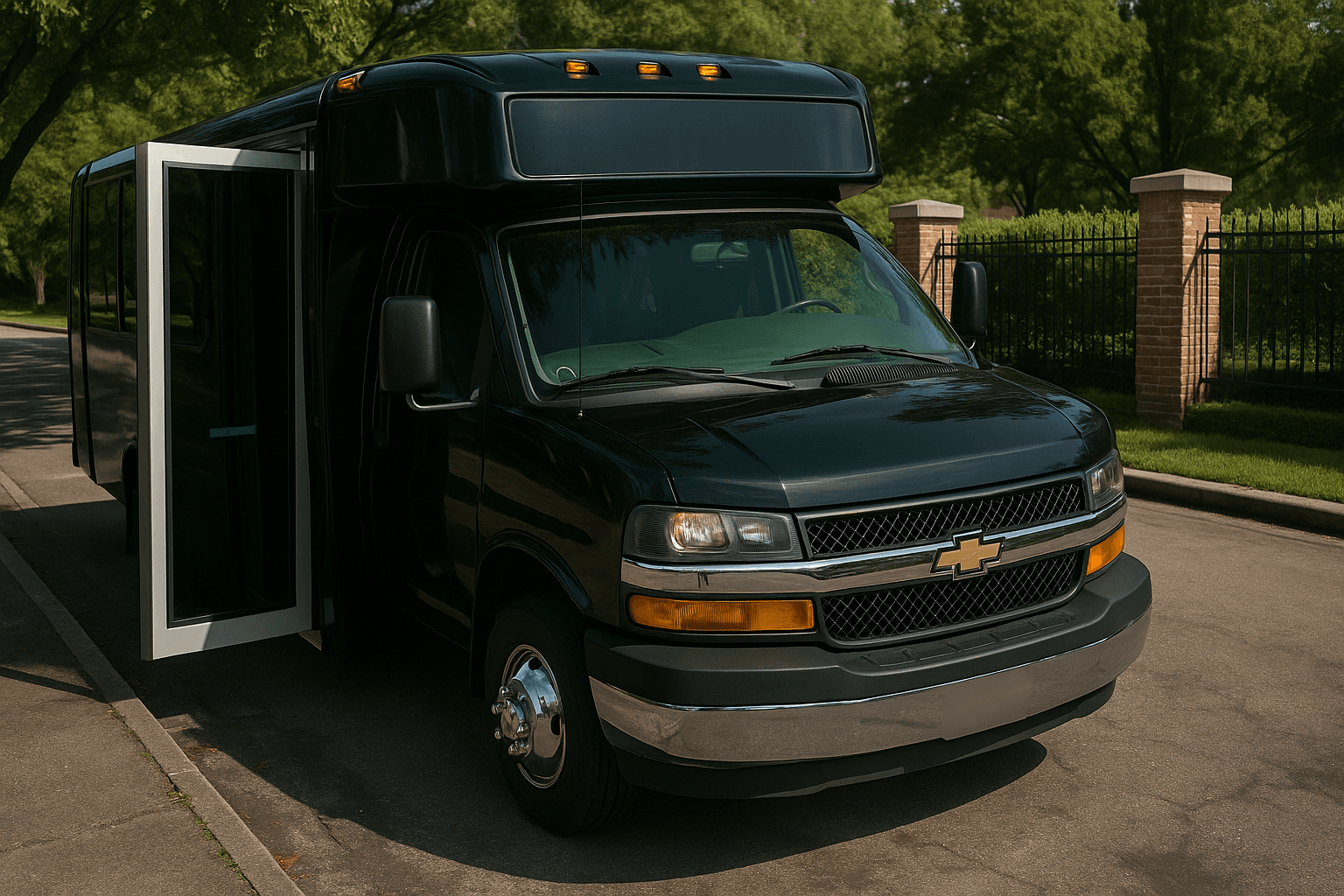
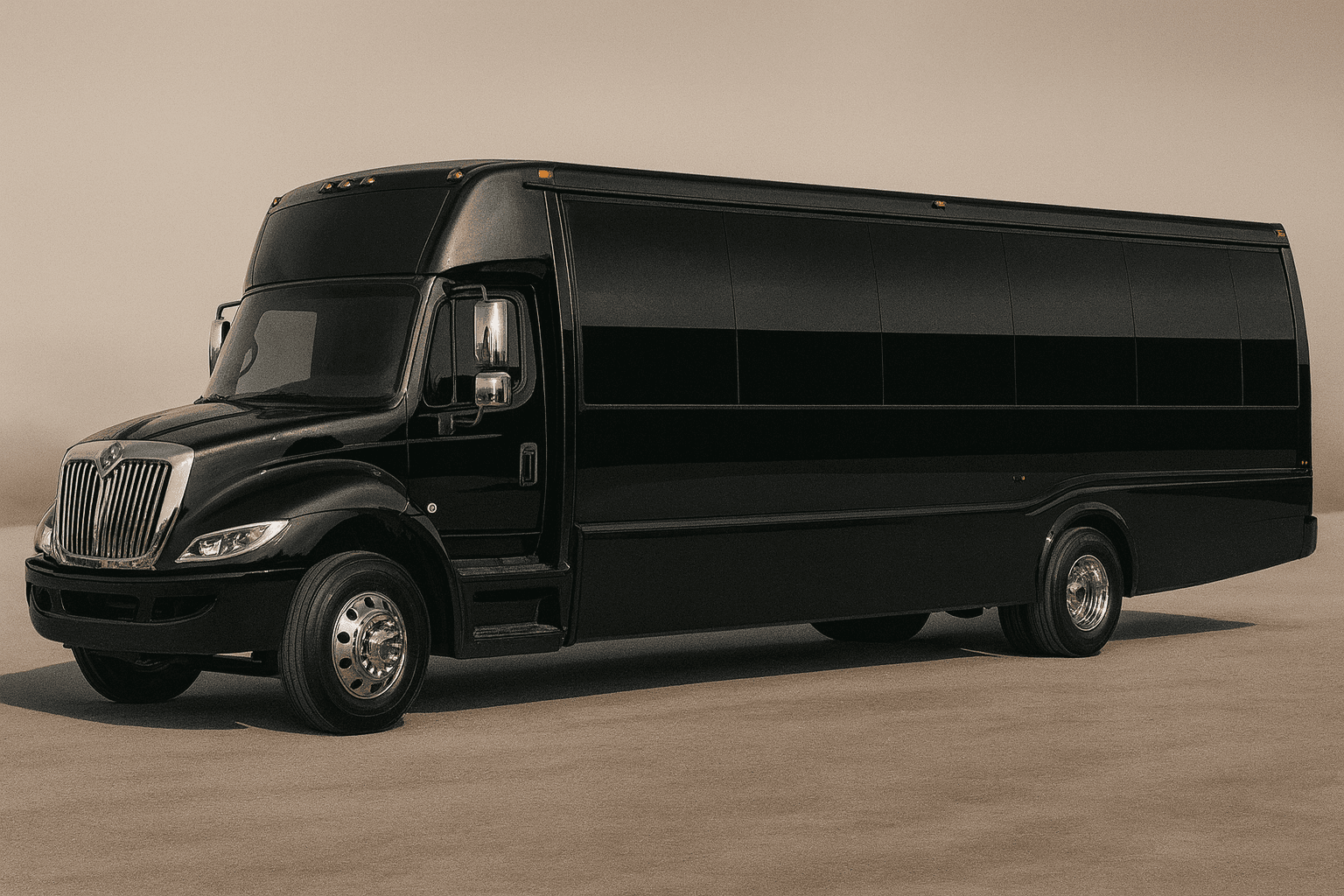
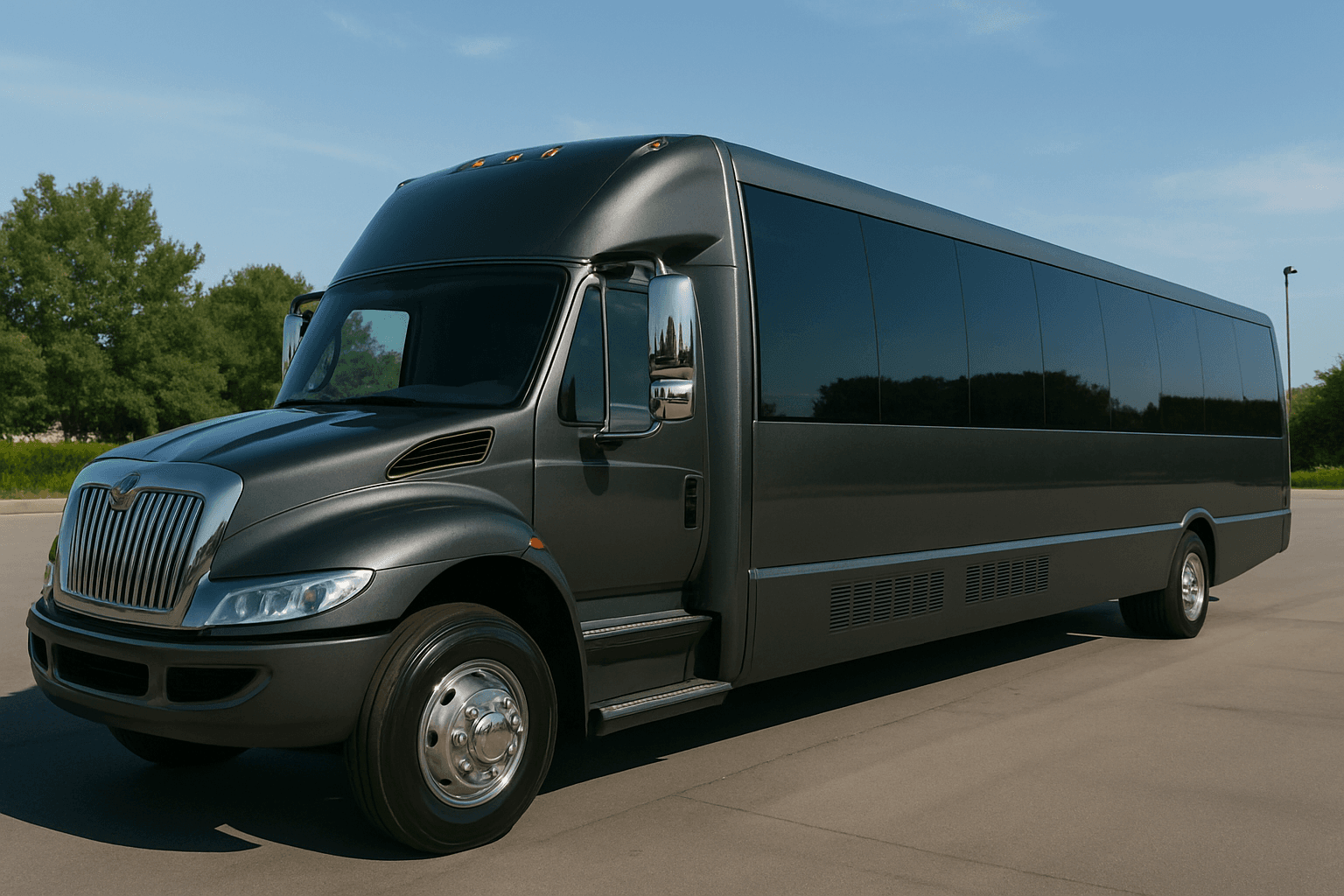
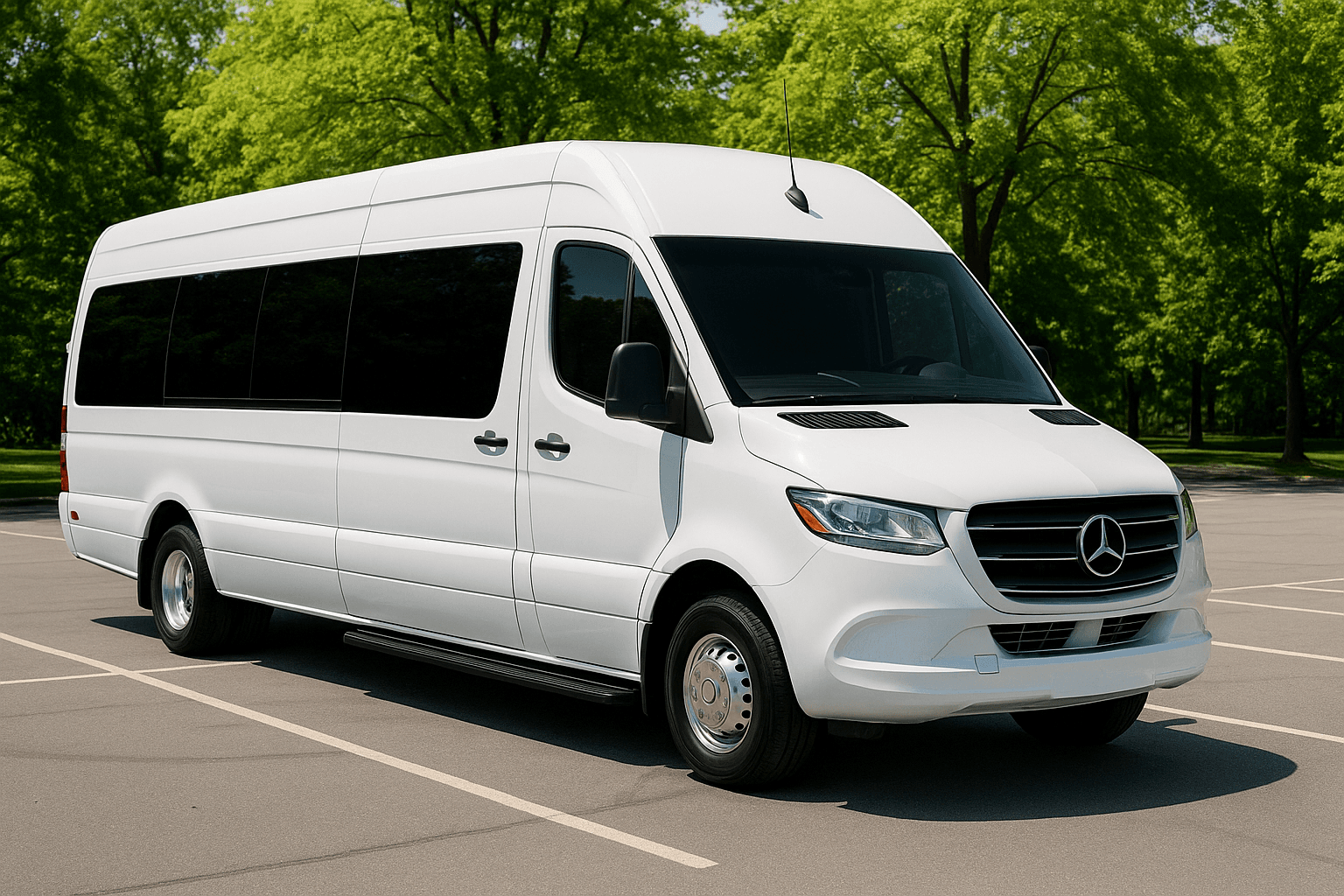
The calculator does not price per seat. It sorts your group size into a vehicle band and prices the band. That means 14 guests and 20 guests return the same base figure, while 21 guests jump to the next band up. This matches how the fleet is built: a 20-passenger party bus costs the same to run whether 14 or 20 people are on it, so the meaningful question is which size you need, not exactly how many friends show up.
Most Austin groups sit in the first two bands. In our Austin inquiry records, 54% of groups that told us how many were coming list 11–20 passengers, and another 17% list 21–30. If you are at 19 or 20 and expecting a couple of plus-ones, you have a decision to make. Staying in the 20 band keeps the estimate lower, but a full bus with coolers, bags, and formalwear feels tight. We usually suggest 2–4 seats of breathing room, which for a 19-person group means pricing the 22- or 24-passenger option instead.
- ✓Up to 20 guests: the band most Austin bachelorette, birthday, and prom groups fall into
- ✓Up to 30 guests: office outings, larger birthdays, wedding parties plus close friends
- ✓Up to 40 guests: rehearsal-dinner shuttles, brewery tours with two friend groups combined
- ✓Up to 50 and beyond: this is shuttle and coach territory, where per-seat cost drops sharply
Want a number for your actual date?
The estimate gets you in the right range. The price we send you is the one that counts.
Hours: why 4 is the default and when 5 or 6 makes sense
The tool starts you at 4 hours because that is what Austin books. In our booking data, 4 hours is the requested length on 71% of inquiries with a usable duration, and 46% of Austin inquiries with a known duration ask for exactly 4 hours. Four hours covers the classic downtown night: a 7:30 pickup in Mueller or Hyde Park, two or three bars between 6th Street and Rainey, and a drop-off before 11:30. Every hour you add costs the same hourly amount, so the estimate climbs in a straight line rather than jumping.
Five and six hours show up when geography stretches the trip. A Cedar Park pickup adds 30 to 40 minutes each way on US-183 before anyone downtown has had a drink. A Lake Travis afternoon from South Austin runs out RM 2222 or Loop 360 and back, and the drive time alone can eat an hour. Hill Country wine routes along US-290 toward Johnson City are rarely done well in under 6 hours once you count three tasting stops and the return. The average Austin trip in our records runs about 5 hours, which suggests a lot of groups underestimate at first and then add time.
What the calculator cannot see: pickup distance and route shape
Two trips with the same group size, hours, and day can quote differently because of where they start and how they move. The calculator has no field for pickup location, so a Georgetown pickup and a downtown pickup return the same estimate, even though one involves an extra 30 miles of I-35 each way. If your group is coming from Kyle, Buda, San Marcos, or anywhere past Leander, expect the price we send to reflect that distance.
Route shape matters as well. A bus that drops you at one venue and returns at a fixed time is simpler than a rolling bar crawl with five stops and a driver circling for a legal loading spot on Rainey Street. Wedding shuttles that loop between a Dripping Springs venue and a downtown hotel three times are a different job than a single one-way transfer, even when the total hours match. In our booking data, pickup and stop questions come up on about 14% of sales calls, which is why we ask where you're going up front.
Turning the estimate into a real Austin booking
The estimate is a starting point for a conversation, not the end of one. Getting a real number is simple: reach us through the form, call (512) 900-8324, or email with your date, how many are coming, hours, pickup, and stops. We get back to you with a price that names the vehicle category and the terms. The exact unit is confirmed there, not on this page. Once you confirm the deposit and pickup window, the date is held.
Timing matters more than most groups expect. The median inquiry in our booking data arrives 30 days before the event, and the average Austin lead time is about 24 days. That works fine for a Thursday in February. It is cutting it close for a Saturday in April or October, when the same vehicles are wanted by prom groups, wedding shuttles, festival crowds, and tailgaters at the same time. If your estimate looks reasonable and your date is a peak Saturday, request the quote now and sort out the guest list later.
One more note on honesty. The median historical quote in our booking data is about $1,580 for a whole trip. That figure comes from thousands of past requests across every vehicle type and season, and it is a reference point, not a price for your date. Your quote may land above or below it depending on the vehicle, hours, and route.