๐Ÿ ๐Ÿ“ž Call Now
Chat with us! ๐Ÿ’ฌ
๐Ÿš— Free Austin planning tool ยท Cost & Budget

Uber or a Party Bus in Austin? Compare the Real Cost for Your Group

This comparison takes your group size, the number of rides each person would take, and a typical fare you would expect to pay, then multiplies them into a total rideshare spend. It sets that against a party bus estimate for a vehicle sized to your group: one figure for groups up to 20, a higher one up to 30, another up to 40, and a top band above that. The difference is shown as savings when the bus comes out ahead, or a note that the two are comparable when it does not. Both sides are planning figures. The fare is whatever you type in, and the bus number is a rough band, not a quote for your date.

Use the uber vs party bus calculator

Total Uber Cost

$750

Party Bus Estimate

$650

You save $100 with a party bus!

The party-bus figure is this tool's planning band ($650 / $800 / $950 / $1,100 by group size), not the price we would send you. The $100 first-load gap is 15 people ร— 2 rides ร— $25 versus $650.

Want the real number?

Tell us the date and how many are coming, and we'll price the actual trip.

We use what you send here only to get back to you about your ride.

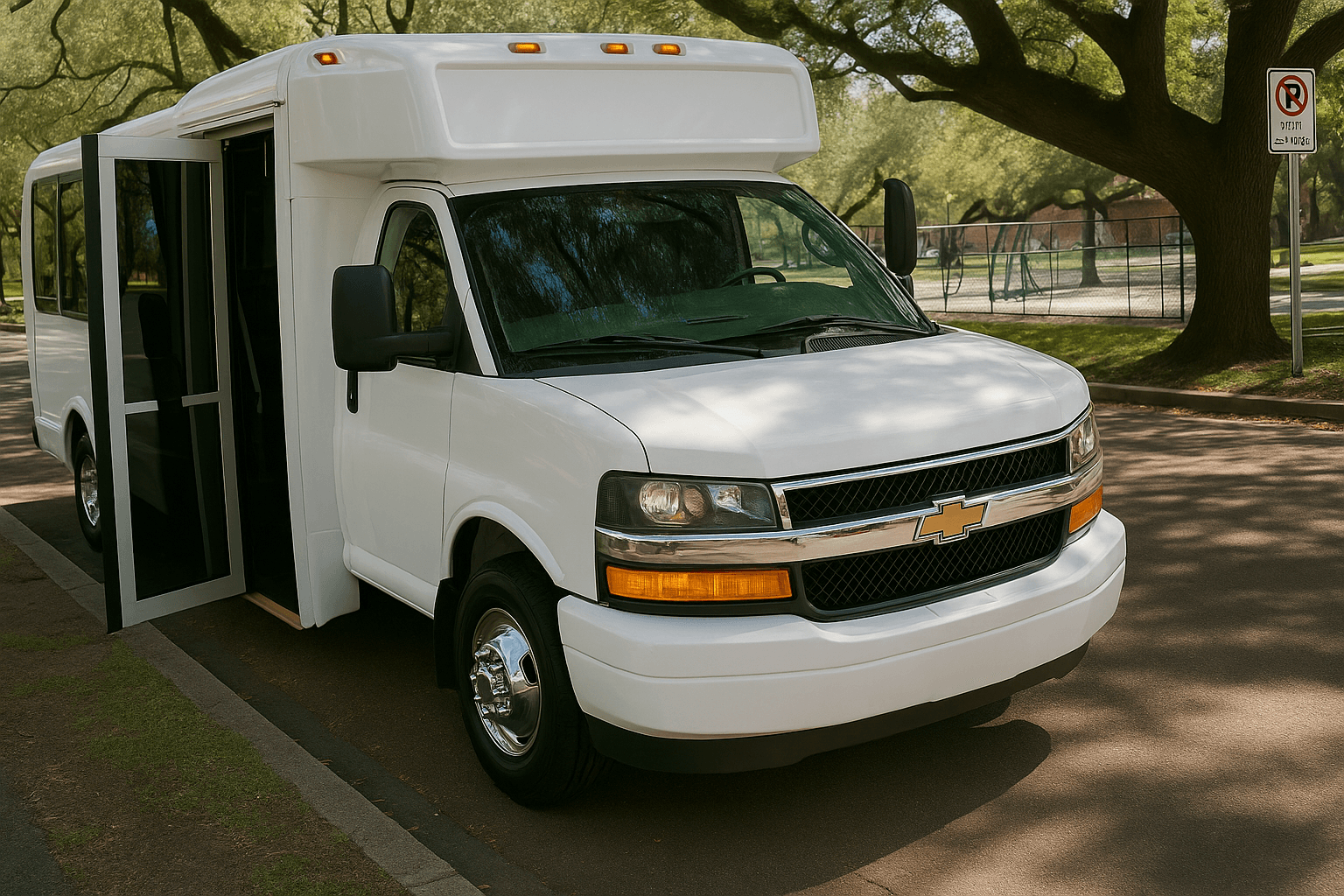
16 passenger party bus parked for a downtown Austin pickup
  1. 1Enter group size and rides per person
  2. 2Set a typical Uber fare
  3. 3Compare total rideshare spend vs a bus estimate
  4. 4Request a quote if the bus wins

What Austin groups actually ask for

Numbers from our own Austin inquiry records and booking data, so the estimate you just ran sits next to what other groups planned.

of Austin requests fall on a Saturday
55%of Austin requests fall on a Saturday
of Austin requests fall on a Friday, Saturday, or Sunday
82%of Austin requests fall on a Friday, Saturday, or Sunday
of night-out requests ask for a party bus
76%of night-out requests ask for a party bus
of Austin groups are 10 or fewer
20%of Austin groups are 10 or fewer

Source: Austin Party Ride inquiry records (2023โ€“2026) and our booking-data library. Percentages are rounded; historical quotes are references, not offers.

Groups that reach for this tool are usually the ones who have already lived the alternative: six separate cars from Leander trying to meet at the same Rainey Street bar, three people paying a surge fare from the Moody Center after a show, or a birthday crowd waiting 25 minutes on a Saturday for a car that fits four. In our booking data, party buses are the requested vehicle on about 76% of night-out and celebration inquiries, and a good share of those groups came to that decision after a night of splitting up.

What you do with the result depends on which way it falls. When the bus wins by hundreds of dollars, take that number to the cost per person splitter and get commitments. When the tool says the two are comparable, that usually means a small group, and the honest next step is to look at a limo sprinter or stretch limo rather than a bus, or to accept that rideshares are fine for eight people going one place.

Why the fare field matters more than anything else

Rideshare cost in Austin is not one number. A Tuesday afternoon ride from Hyde Park to South Congress and a Saturday-night ride from the same spot after a Moody Center show are entirely different fares, and the second one may be several times the first. The calculator lets you set the average per ride because only you know what your group will face: the neighborhood, the night, and whether you are leaving at the same moment as 15,000 other people.

Be realistic rather than optimistic. If your route ends downtown at midnight on a Saturday, the fare you enter should reflect the surge you have paid before, not the fare you would pay at noon. Groups from Round Rock, Cedar Park, Kyle, or Buda should also account for distance, because a 25-mile ride is not priced like a cross-town hop. Enter your best honest guess, then nudge it up and down to see how sensitive the comparison is. If the bus wins even at a low fare, the answer is clear.

Rides per person: counting the legs Austin nights really have

The second field is where most groups undercount. A simple out-and-back is 2 rides. But a bachelorette that starts with dinner on South Congress, moves to a rooftop on Rainey, then finishes on East 6th is at least 4 rides per person, and every hop is a fresh fare with a fresh wait. A bar crawl with five stops is a rideshare nightmare precisely because every stop is a new pickup for four separate cars.

Concert and game nights have their own pattern. The median concert inquiry in our booking data is for 12 passengers, and those groups usually do a pre-show stop, the venue, and a post-show bar before heading home. That is 3 or 4 rides, and the ride away from ACL Live, Stubb's, or Q2 Stadium is the expensive one. UT football Saturdays are similar: getting to the tailgate near DKR is easy, leaving with 100,000 other people is not.

  • โœ“Pickup to one venue and home: 2 rides
  • โœ“Dinner, one bar, home: 3 rides
  • โœ“Classic 6th Street or Rainey crawl with three bars: 4 to 5 rides
  • โœ“Wine tour with three Hill Country stops: 4 rides, and rideshares out there are scarce

Want a number for your actual date?

The estimate gets you in the right range. The price we send you is the one that counts.

Where the party bus estimate comes from and what it leaves out

The bus side of the comparison uses a flat planning figure per size band. It is deliberately simple: it does not change for weekday versus weekend, does not account for hours beyond a typical night, and does not know your pickup address. For a straightforward 4-hour Saturday with a central pickup it is in a reasonable neighborhood. For an 8-hour wedding shuttle or a Hill Country distillery run, the real figure will be higher, and the cost calculator on this site is the better place to size that.

Even so, the comparison holds up for most Austin groups because the rideshare number scales with every person and every leg, while the bus number scales only with vehicle size. Twenty people taking three rides at a modest fare is already well past the party bus band for that group size. Thirty people on a game day with surge fares is not close. The tool is not trying to make the bus look good; the arithmetic just favors shared vehicles once group size and legs climb.

When the tool says "comparable" and what to do about it

Sometimes the result is not savings but a note that the party bus is comparable. That happens with small groups or few rides: eight people going to one dinner and back, or ten people whose rides are short and cheap. About 20% of Austin inquiries that told us how many were coming are for 10 or fewer passengers, and for those groups the honest answer is that a full-size party bus is more vehicle than they need.

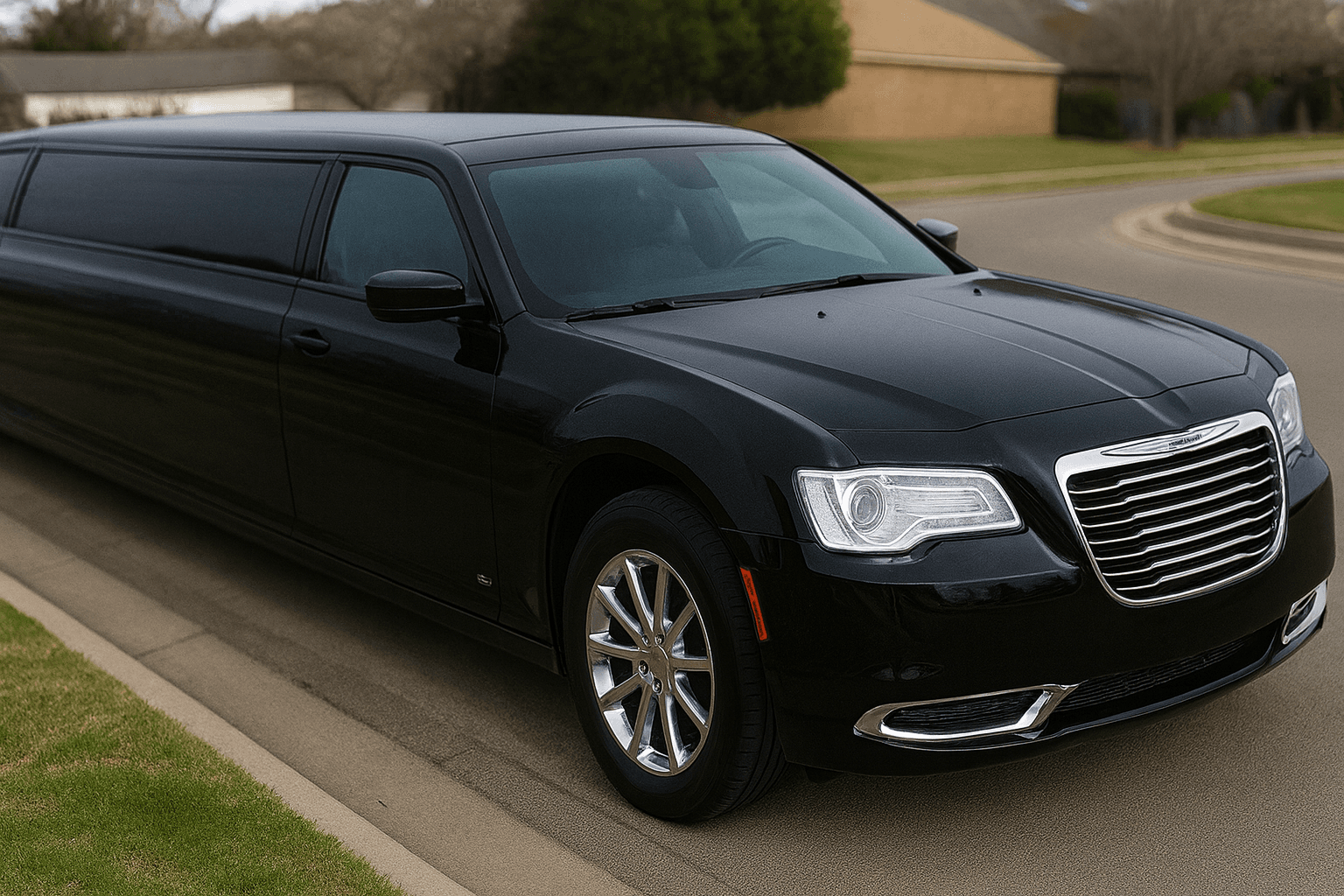
That does not mean rideshares are the only option. A 10- or 12-passenger limo sprinter or a stretch Chrysler 300 fits a small group at a different price point than a 20-passenger bus, and the arrival is part of the experience for an anniversary dinner or a Paramount Theatre night. Historically, groups of 10 or fewer in our booking data have seen a median of about $175 per passenger, which is high per head, and that is precisely the tradeoff: a small group pays for a vehicle minimum, so the value has to be in the experience rather than the savings.

Beyond dollars: the Saturday-night problem in Austin

The calculator only counts money, but Austin groups also lose time. About 55% of Austin inquiries ask for a Saturday, and that is also when rideshare wait times stretch and cars refuse to come down to the closed blocks of 6th Street. Getting 18 people from Rainey to a second stop by rideshare means the first four are at the next bar before the last four have a car assigned. A bus leaves when the group leaves.

Loading is its own factor. Rainey Street has limited space for a driver to stop, and 6th Street between Congress and I-35 is closed to cars on weekend nights. Rideshares end up dropping riders blocks away, and the walk in heels or a suit in August is not a small thing. A chauffeur who knows where the legal loading spots are on Red River or San Jacinto turns that into a non-issue.

Then there is the question of who drives home. With a rideshare plan, someone always ends up being the sober one because the surge got too high. With a bus, the return trip is booked before the night starts, the driver is not drinking, and the group does not split apart at 1:30 a.m. trying to find the last car. That is not a line item in the comparison, but it is often the reason a group books.
Worked examples from Austin groups

Realistic scenarios run through this tool, with the decision each group made next.

Birthday dinner and one bar: 15 friends, 2 rides each, $25 average fare

Setup: Enter 15 for group size, 2 rides per person, and $25 as the average fare. The group is going from Mueller to a South Congress restaurant and then home, on a Friday.

Result: The rideshare total comes to $750 against a party bus estimate of $650, so the tool shows about $100 in savings. That is close, and it is the kind of night where the bus wins on convenience more than cost. If the group adds a Rainey Street stop, rides jump to 3 and the rideshare total becomes $1,125, and the bus is clearly ahead. Planning figures, not quotes.

Bachelorette crawl: 18 friends from Leander, 3 rides, $35 Saturday fare

Setup: Enter 18 people, 3 rides per person, and a $35 average fare, which reflects the distance from Leander plus Saturday-night pricing downtown.

Result: The rideshare side totals $1,890 while the party bus estimate for an 18-person group is $650, a difference of roughly $1,240. Even after adding a 20% tip to the bus and accepting that a real quote for a Saturday may sit above the band, the bus is far ahead. Take the bus figure to the per-person splitter: it works out to well under $50 a head before tip.

Small anniversary group: 8 people, 2 rides, $20 fare

Setup: Enter 8 for group size, 2 rides, and $20. The plan is a pickup in Hyde Park, dinner near the Long Center, and straight home on a Thursday.

Result: Rideshares total $320 against a bus estimate of $650, so the tool reports that the party bus is comparable rather than showing savings. For eight people going one place, a 20-passenger bus is more than the night needs. The better comparison is a stretch limo or 10-passenger limo sprinter, which is sized for a group like this and makes the arrival part of the evening.

Austin Party Ride polls

Polls that pair with the uber vs party bus calculator

Vote on how other groups handle the same decision, then compare with your estimate.

Pricing

Tap an answer to vote. Results update as soon as you vote.

What pricing strategy do you believe most effectively attracts new customers?

1 vote

What impact do loyalty programs have on your spending?

0 votes

How satisfied are you with the pricing of public services in your city?

0 votes

How do discounts impact your purchasing decisions?

4 votes

Want the whole list? Visit the polls page or check the poll results.

Uber vs Party Bus Calculator questions

Straight answers about how the estimate works and what changes it.

Look at what your group paid the last time you left downtown on the same kind of night. A weeknight ride from Zilker to East Austin and a Saturday ride from the Moody Center after a show are very different fares. Enter the higher one if your night ends late and downtown. Run the tool at two fares and see whether the answer changes.
Treat it as the number of separate rides each person pays for. Out and back is 2. Dinner, a bar, and home is 3. A five-stop crawl on 6th Street is 5 or 6. Most Austin groups undercount here because they picture one destination and forget that every stop after the first is a fresh pickup with a fresh fare.
No. It is a flat planning band tied to your group size and assumes a typical night of a few hours with a central pickup. A Saturday in April, an 8-hour wedding shuttle, or a pickup in San Marcos will land differently. Use the cost calculator for a closer estimate, then ask us for a price on the actual date and route.
Usually yes for the experience, though not always for the dollars. Small groups pay a vehicle minimum, and historically groups of 10 or fewer in our booking data have seen the highest per-passenger figures. A 10-passenger limo sprinter suits a dinner or theater night where the vehicle is part of the outing. If the goal is purely cheapest transport for 9 people to one place, rideshares may win.
Because both cost and time move against rideshares at once. Fares rise when demand spikes at closing time, and wait times stretch while a group of 16 waits for four cars. The bus side of the comparison does not surge. If your night ends on Rainey or 6th after midnight on a Saturday, enter a fare that reflects that, and the difference will show.
Very much so. Sports groups plan a median of 31 days ahead in our booking data, and the ride away from a stadium is where rideshare fares and waits are worst. Enter 2 rides if the bus takes you to the tailgate and home, or 3 if you plan a stop after. A shuttle for a large tailgate crowd often compares even more favorably than a party bus.
That is a scenario where rideshares get expensive fast, since a Georgetown-to-Rainey ride is priced on distance. Enter a fare that blends the long and short rides, or run the tool once for the suburban riders alone. A bus with one or two pickup points along I-35 or MoPac solves this without anyone paying a 25-mile fare twice.
Yes, mentally add 15โ€“20% to the bus estimate before you decide, since the tool does not include it. In most multi-stop Austin scenarios with 15 or more people the bus still comes out ahead by a wide margin. If the comparison is within a hundred dollars before tip, the decision should rest on how the night runs rather than savings.

Get a quote after using the uber vs party bus calculator

Tell us what the calculator gave you and we'll match it to a real bus and a real price.

We use what you send here only to get back to you about your ride.

๐Ÿ“ž Call NowGet Free Quote โ†’