Wedding planners in Dripping Springs and Wimberley use it when the couple is torn between an April and an October date. Bachelorette groups use it to decide whether Lake Travis in late June is a good idea (it usually is, if the coolers are packed and the pickup is early). Corporate coordinators use it to figure out whether a December offsite can walk the Trail of Lights without coats or whether to plan a quick loop and a warm bus. April through June alone carries about 47% of the Austin requests in our records, with April and May at roughly 19% each, which is exactly the stretch where the weather swings hardest from pleasant to stormy.
Once you have the month's numbers, do three things: set a realistic start time, decide where the vehicle waits, and build one indoor fallback into the plan. Then pass those details along when you reach out. A trip that says 'August, lake day, 11 a.m. pickup from Cedar Park, cooler space needed' gets a better vehicle recommendation than one that just says 'Saturday'.
Spring in Austin: the storm months hide inside the busy months
March runs a typical high of 74 and low of 52 with about 2.8 inches of rain, which sounds tame until you remember it is also SXSW. Downtown closures around the Convention Center push pickups toward Rainey or the east side, and afternoon showers make the walk from the drop point matter. April improves to an 80-degree high with 2.5 inches, and prom and wedding season truly begin; outdoor ceremonies along US-290 and RM 12 are comfortable, though a north wind can drop evenings into the 50s.
May is the month that surprises people. The average high is 87, the low is 67, and rainfall jumps to about 4.5 inches, the wettest figure on the planner. Central Texas storms in May tend to build in the late afternoon and hit hard for an hour, then clear. In our booking data, May is also the single busiest requested month, so the group with a 4 p.m. lake pickup and no rain plan is competing for the same Saturday as everyone else. Book the vehicle early, and ask that the pickup spot have cover, whether that is a garage entrance or a porte-cochere at a Domain hotel. June settles into a 93-degree high with 3.7 inches, warm and mostly reliable, and prime time for river floats and Lake Travis days as long as the group leaves before the heat peaks.
- ✓March: 74/52, 2.8 in. SXSW closures downtown; plan pickups off Rainey or East 6th.
- ✓April: 80/59, 2.5 in. Prom and Hill Country wedding season opens; pleasant evenings.
- ✓May: 87/67, 4.5 in. Wettest month; afternoon storms; busiest requested month in our records.
- ✓June: 93/73, 3.7 in. Lake and river season; leave early, pack ice.
July and August: plan around the heat, not against it
July shows a 97-degree high, a 75-degree low, and only 1.9 inches of rain. August is hotter still at 98 and 75 with 2.2 inches. These two months are dry, bright, and relentless from noon to 7 p.m. Groups that treat the bus as a moving lounge do well here; groups that plan a walking tour of South Congress at 2 p.m. do not. The best August itineraries start late morning, keep outdoor stops short, and let the air conditioning do the work between them.
Cooler space is not optional in these months. Party buses carry coolers and ice, but a group of 20 on a six-hour Lake Travis run will go through water faster than anyone expects. Put ice and bottled water on the shopping list twice. If the event is a birthday, remember that August is the most requested month for birthdays in our booking data, which means Saturday evening slots go early. July through September together carry about 19% of Austin requests in our records, and most of those are lake trips, river floats, and the first ACL weekend at the tail end.
One more August reality: pavement. Drop-off points on South 1st or East Cesar Chavez put the group in full sun while photos happen, so plan photo stops for the last hour of light instead of mid-afternoon.
Want a number for your actual date?
The estimate gets you in the right range. The price we send you is the one that counts.
September through November: festival season and the second rain bump
September cools to a 92-degree high and a 70-degree low, with rainfall back up to 3.4 inches. It is also one of the three busiest requested months in our records, tied closely with October, because UT football, ACL, and wedding season all land at once. Kickoff Saturdays at DKR Texas Memorial Stadium mean I-35 and MLK crawl for hours; tailgate groups leaving Round Rock or Pflugerville should add real buffer, and the weather planner will tell you the tailgate itself will still feel like summer.
October is the month most Austinites would keep if they could only keep one. The high drops to 82, the low to 59, and yet the rain average sits at 4.1 inches, second only to May. That matters for the two ACL weekends at Zilker and for F1 at Circuit of the Americas, both of which have seen muddy years. If your group is riding out to COTA on TX-71, a shuttle with luggage space for ponchos and folding chairs beats a stretch limo. Hill Country vineyard tours on US-290 are at their best in October, with the caveat that a passing front can turn a patio tasting into a barn tasting.
November sits at 71 and 49 with 2.8 inches and is quietly the most comfortable outdoor month for daytime events. Corporate groups doing a Dripping Springs distillery loop or a Salado day trip find the light, the temperature, and the traffic all cooperating.
Winter dates: the easiest booking window, with one cold-snap caveat
December averages a 63-degree high and 42-degree low with 2.3 inches of rain. Holiday parties and Trail of Lights runs fill the calendar, and December is the most requested month for nights out in our booking data at about 20% of that category. The weather itself is friendly: most evenings are jacket-and-fine. Ask about the wait plan when you request the quote, because Barton Springs Road closes to through traffic on peak Trail nights.
January, at 62 and 41 with 2.1 inches, and February, at 66 and 44 with 2.0 inches, are calm months on the weather planner but not empty ones on the calendar: January through March carries about 23% of Austin requests in our records, and it is the most last-minute quarter we see, with a median planning window of just 19 days. Winter Saturdays are easier to get than April ones, but a few weeks of notice still helps. The one thing the averages hide is the occasional hard freeze. When ice hits Central Texas, elevated roads like the MoPac flyovers and the US-183 interchanges close first, and a trip may need to shift by a day. A winter date wants that flexibility, and a call to our office the morning of is smart if a freeze warning is posted.
Brewery tours in February are underrated: taprooms along Fitzhugh Road are half as crowded as in April, and 66 degrees under a tin roof is close to ideal.
Turning the monthly numbers into a pickup time and a vehicle choice
A rain number above 3.5 inches (May, June, September, October) is your signal to pick a covered pickup point and to keep one indoor stop in the plan. A high above 95 (July, August) is your signal to start before noon or after 6 p.m. and to treat the vehicle as the cool room between stops. A low below 45 (December through February) is your signal to warn the group about coats and to keep the outdoor stop short and the ride long.
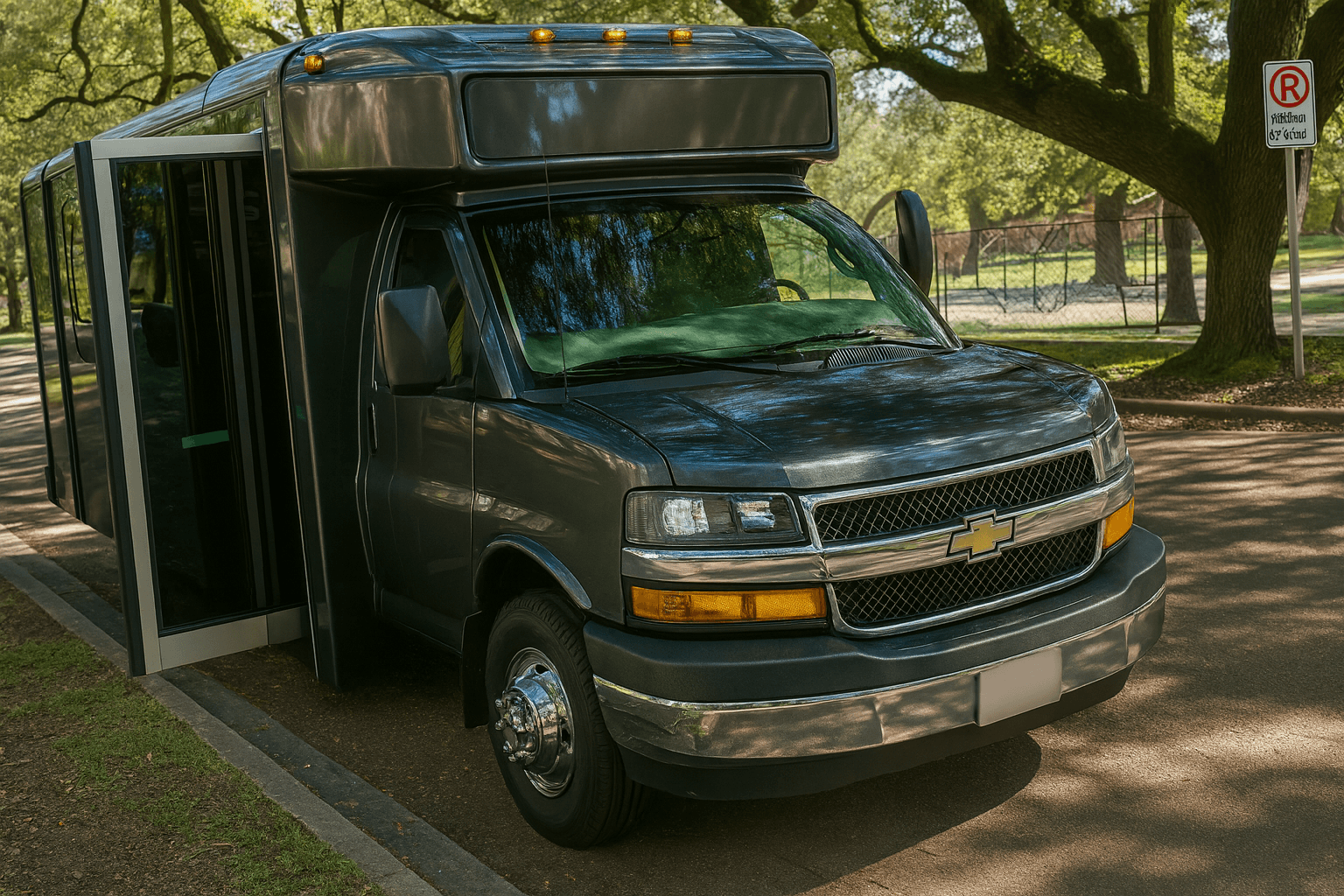
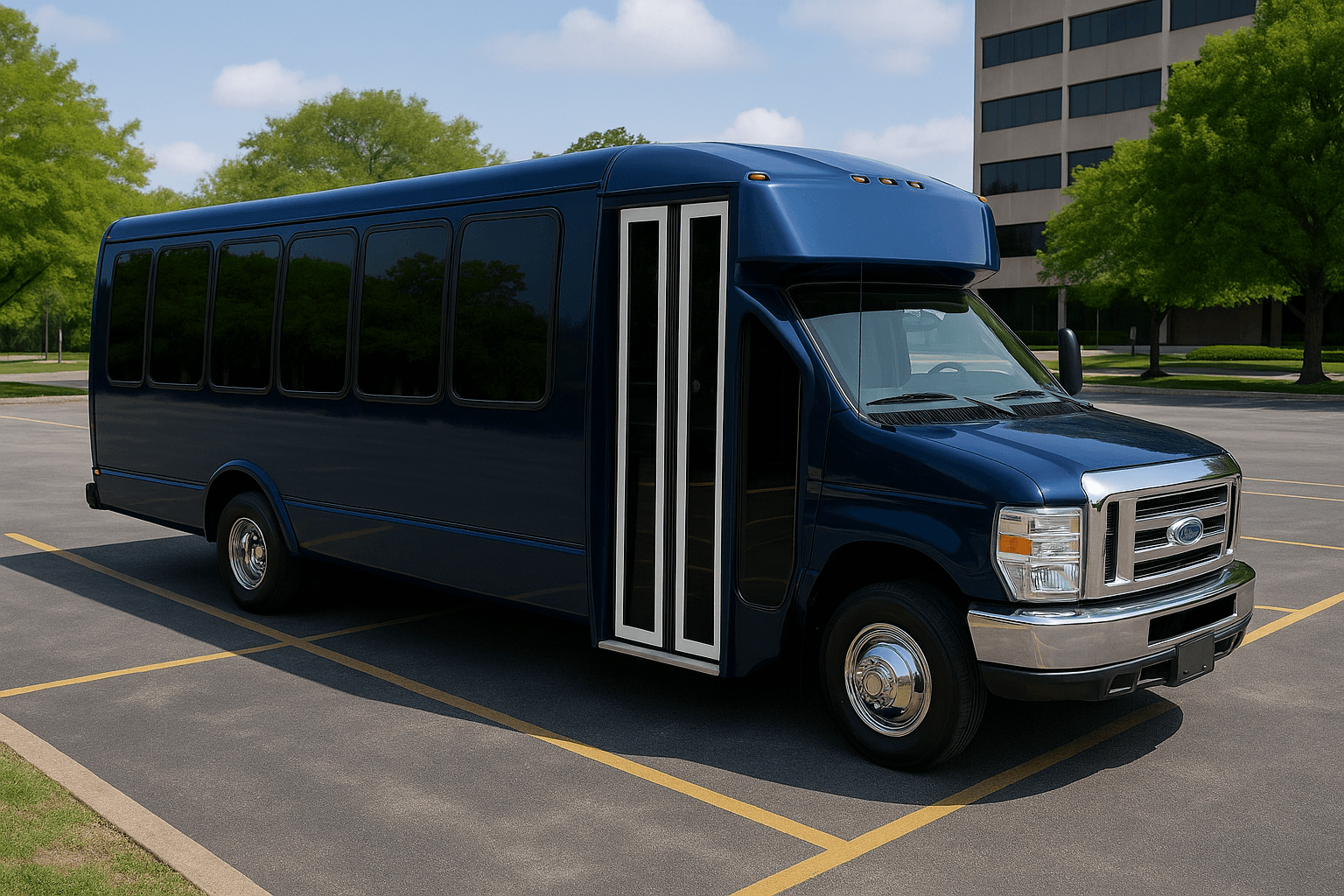
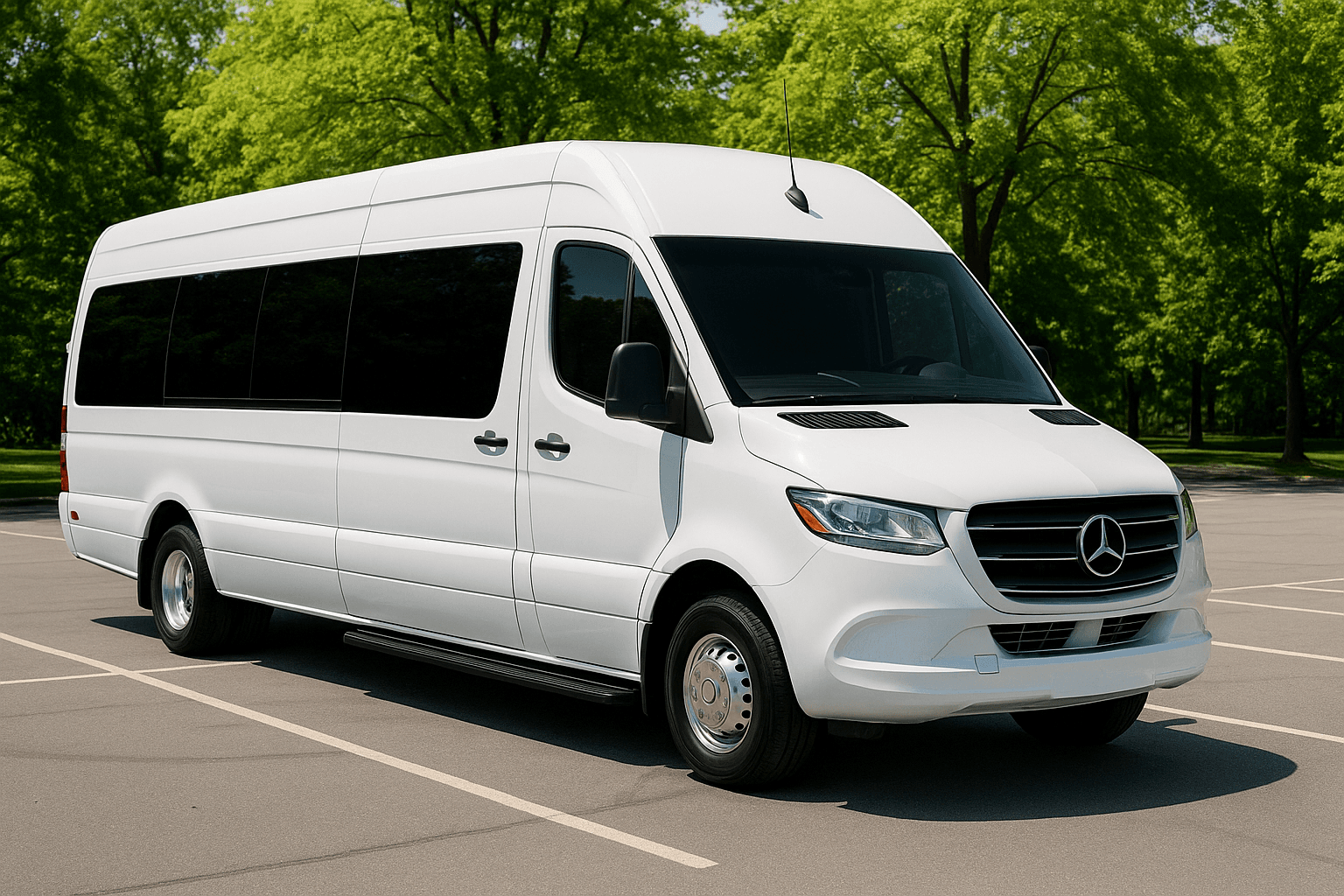
Vehicle choice follows the same logic. Party buses with wrap-around seating and coolers suit the hot-month lake trips where the group wants to stay together and stay cold. Executive sprinters with climate control and USB power suit the corporate winter offsite. Shuttle buses with overhead storage and luggage space suit COTA and ACL weekends where everyone carries a bag, a chair, and a rain layer. Once we know the month and the plan, the price we send will name the category that fits.
Finally, do not let an average talk you out of a date. The planner describes what a month usually does, and Austin does not always behave. Use it to set expectations and pack right, then watch the actual forecast the week of and adjust the start time if needed.
- ✓Rain above 3.5 in.: covered pickup, one indoor stop, ponchos in the storage bay.
- ✓High above 95: late-morning or evening start; ice and water on the list twice.
- ✓Low below 45: coats, short outdoor stops, longer ride segments.
- ✓Any month: send the plan with the quote request so the vehicle matches it.