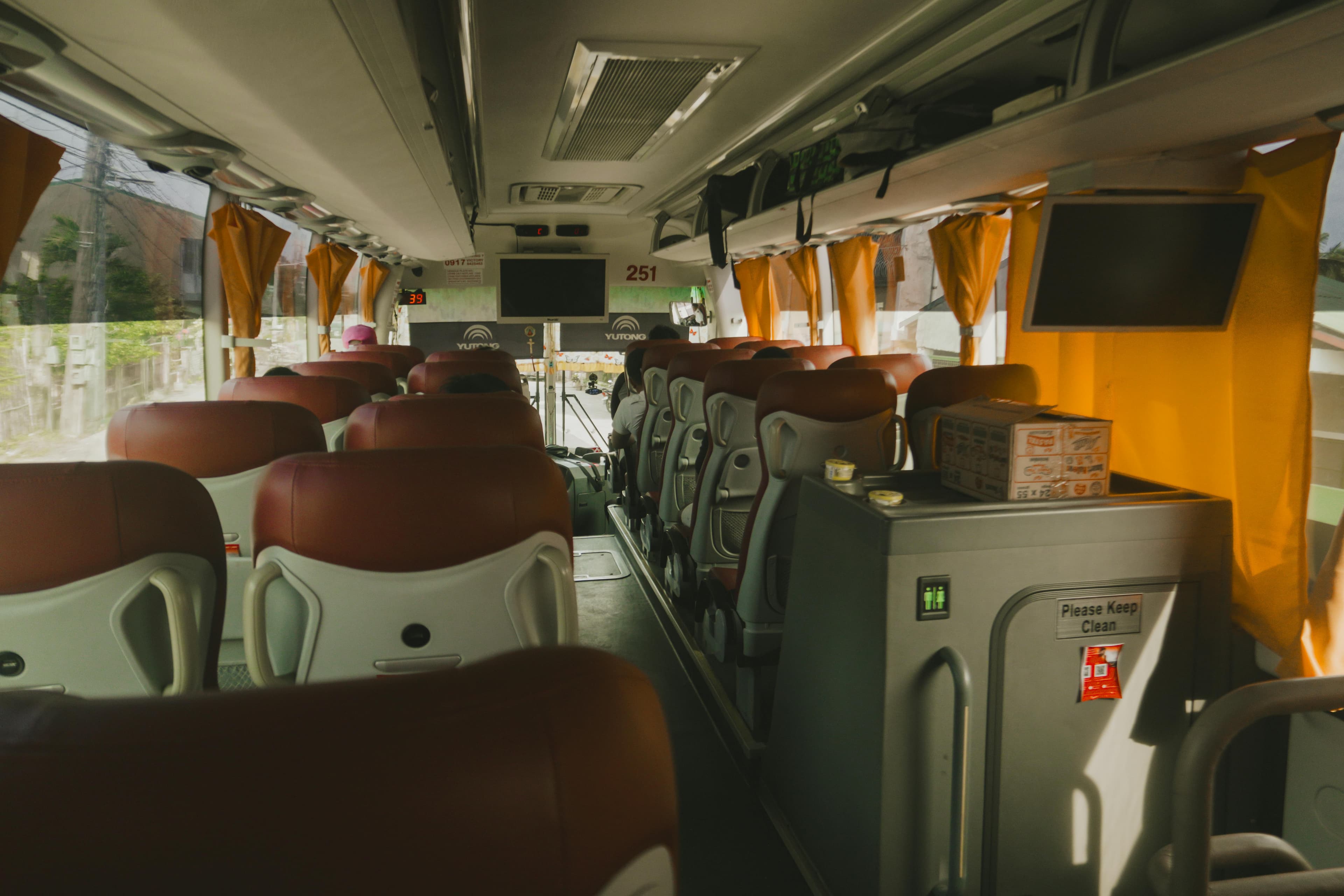
Austin couples reach for it because the geography of a wedding here is unusual. Guests stay downtown, in hotels on Congress Avenue or near the Convention Center, and the ceremony is 30 to 45 minutes away at a ranch or hall in Dripping Springs, Wimberley, or Spicewood. Wedding inquiries in our booking data arrive a median of 103 days before the date, far earlier than any other event, and the median wedding transportation group is 20 passengers, which is usually the wedding party plus close family rather than the full guest list.
Use the output to decide what you are actually booking before you ask for a quote. Some couples only need the wedding party vehicle; some only need shuttles because the wedding party is driving with the photographer. Once you know which, we need the date, the hotel address, the venue address, the ceremony time, and the send-off time, and the price we send will spell out each vehicle category and its reserved window. Coordinate that window with your venue before you confirm, because venue end times in the Hill Country are firm.
Wedding party vehicle: what the size thresholds mean
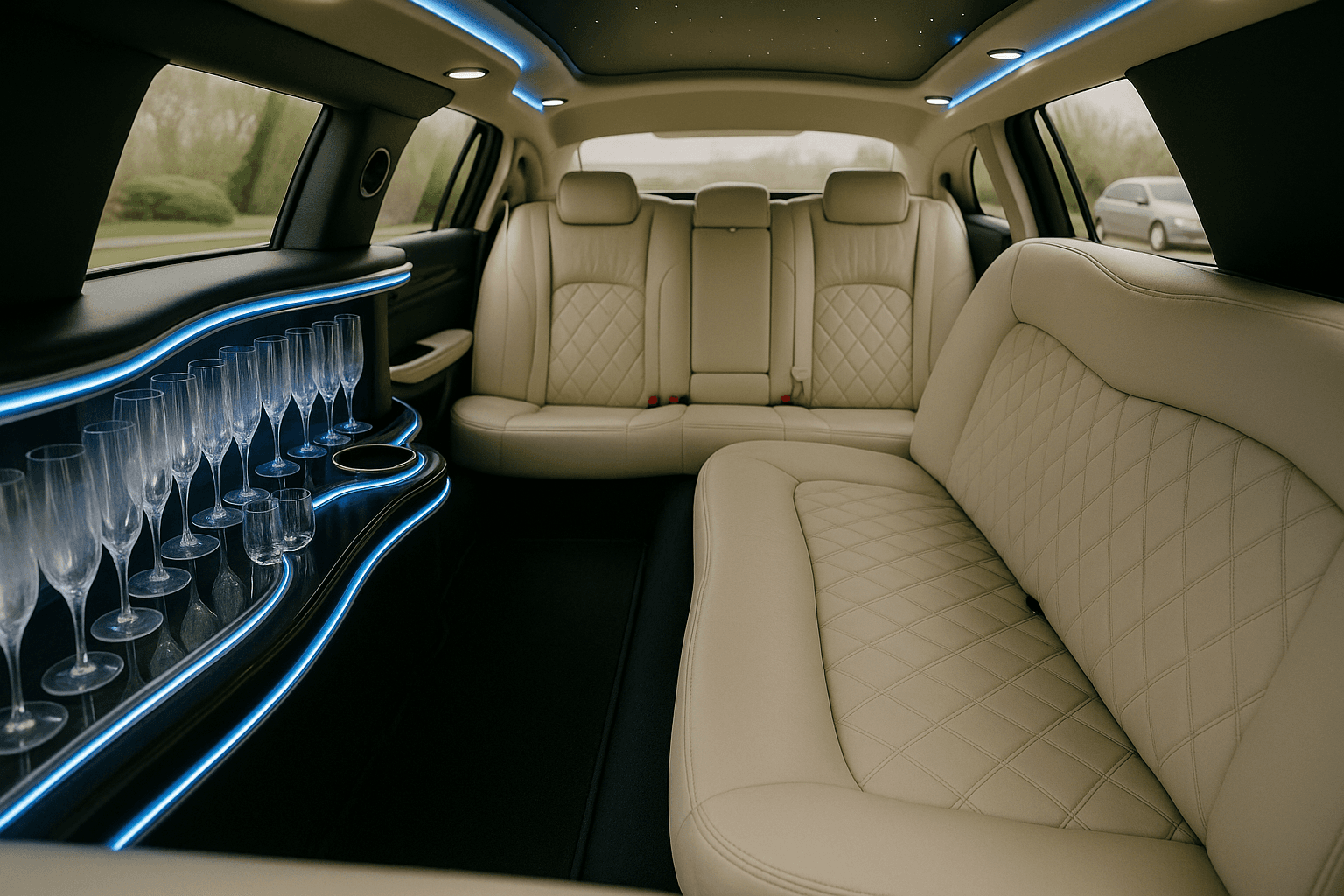
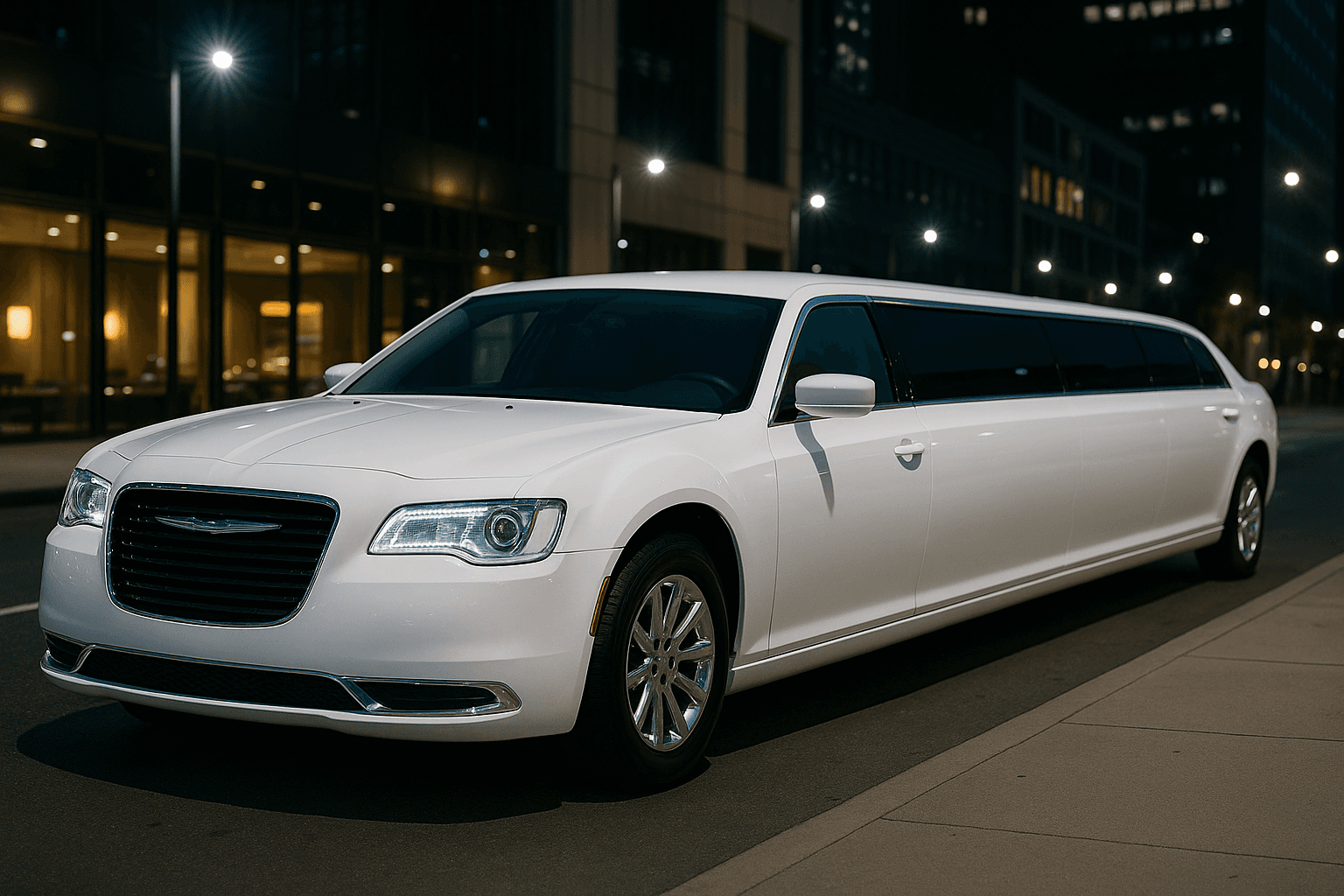
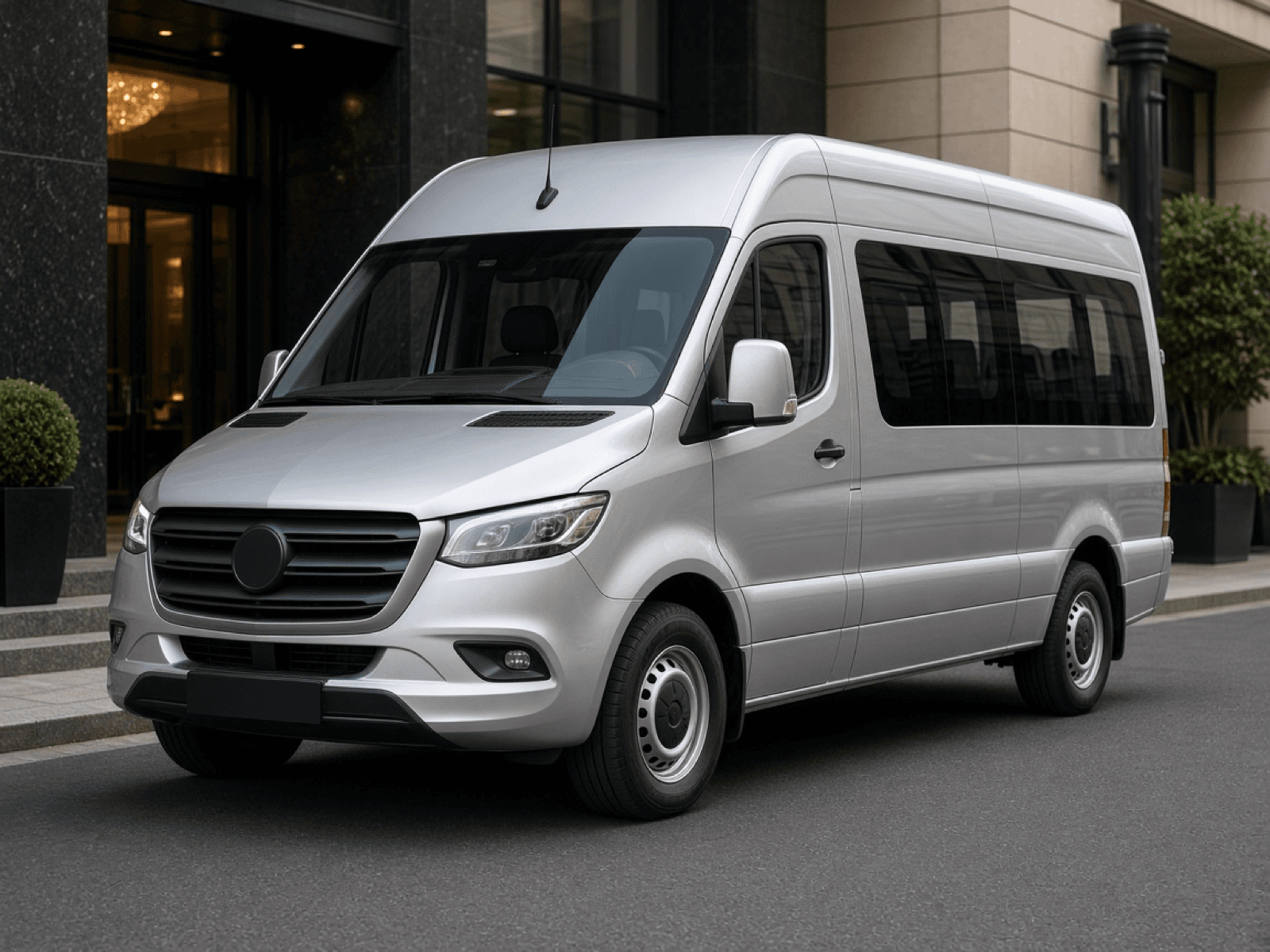
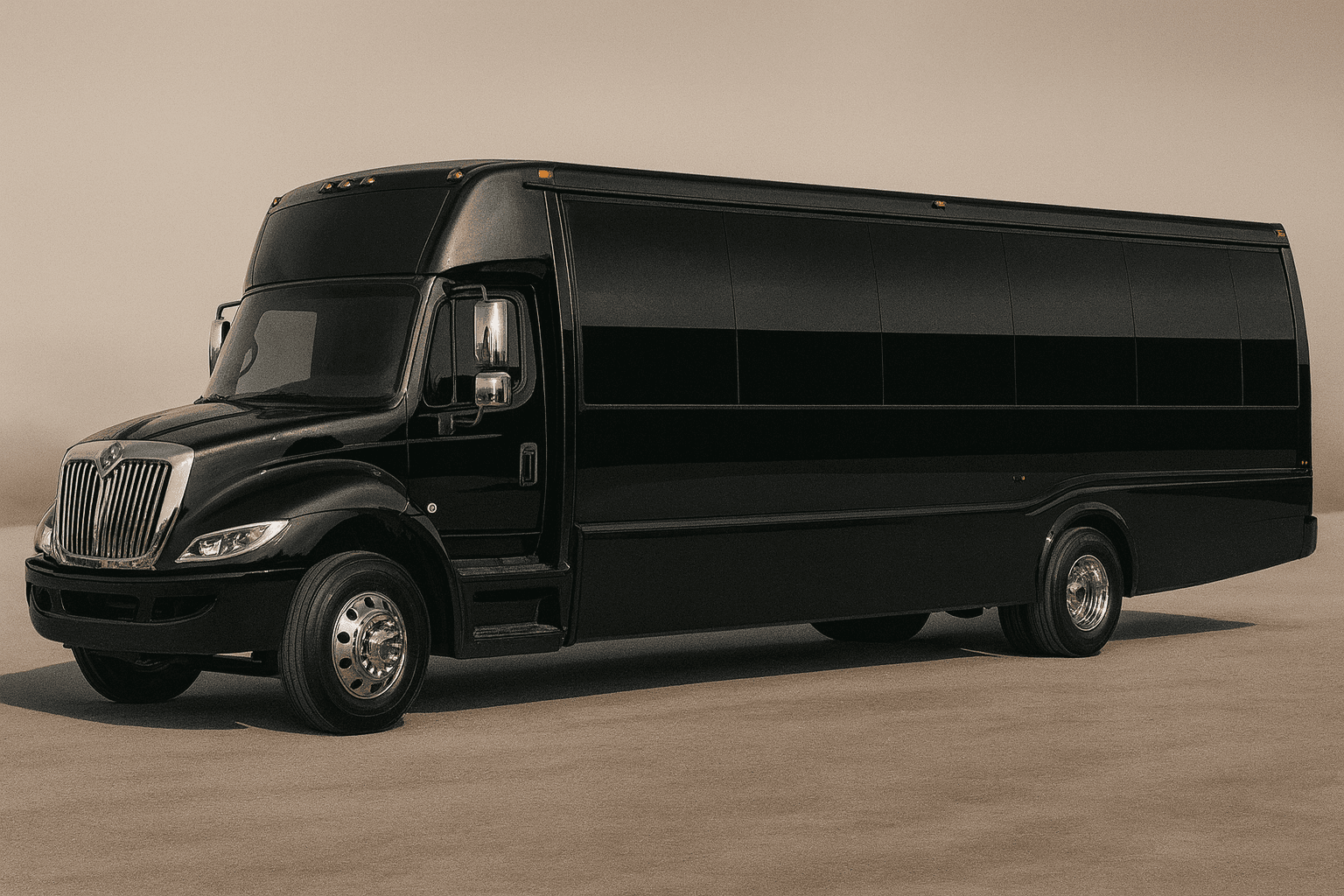
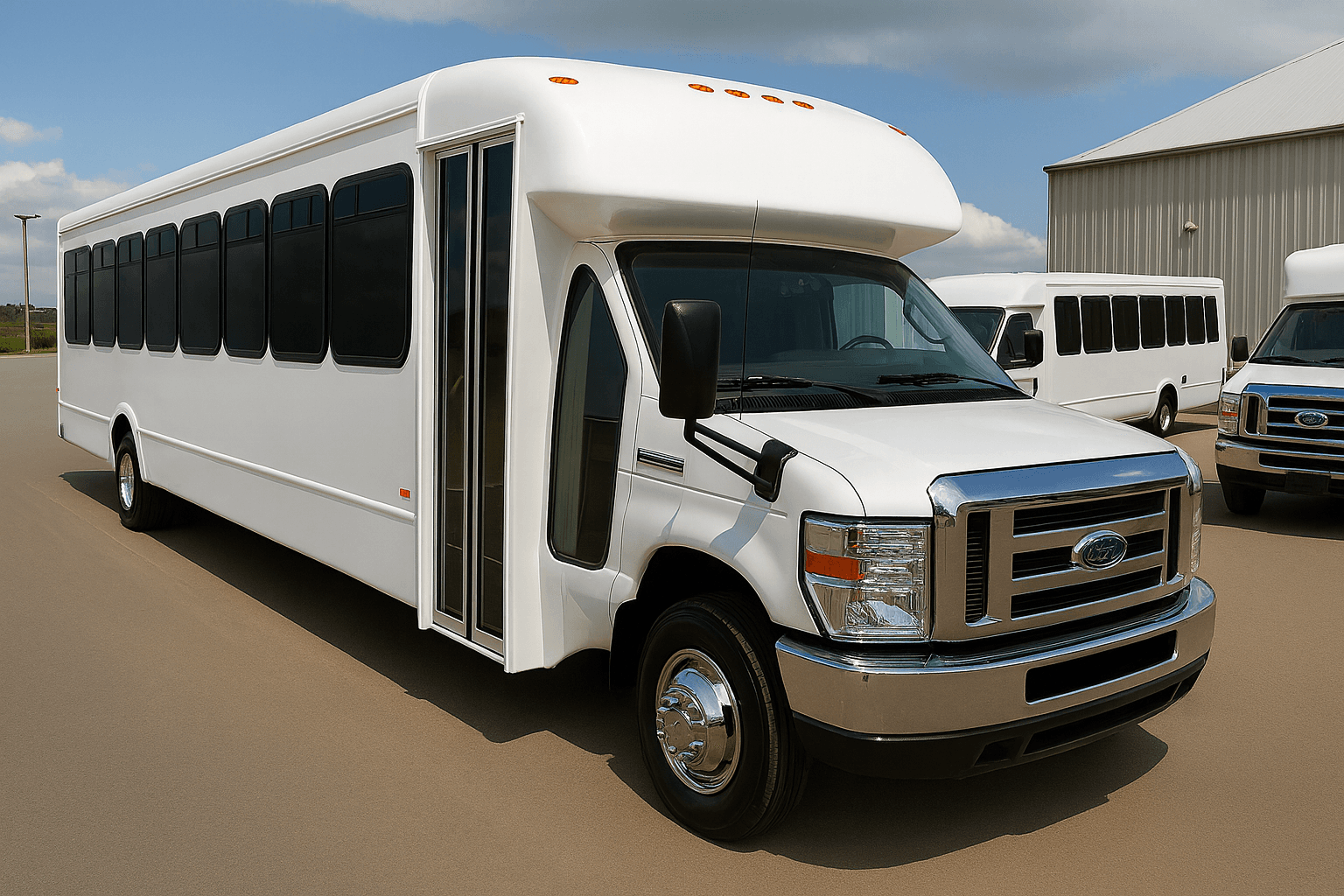
The planner uses three cutoffs. Up to 6 people, it suggests a stretch limousine, which suits a couple with two or four attendants and delivers the arrival photo at the church door. From 7 to 14, an executive sprinter with forward-facing seating is the sensible choice: a full-length gown fits, a sprinter's high roof means nobody stoops, and the WiFi and USB ports keep a wedding party busy on the drive out to a Dripping Springs venue. Above 14, a 20-passenger party bus is the only single vehicle that carries the whole group with room for garment bags and a cooler of water.
Take the suggestion as a category and check it against the day. A wedding party of 8 that wants the classic limo arrival can split: the couple in a stretch, the attendants in a sprinter. A party of 12 with a long ride from a downtown hotel to Wimberley might prefer a 14- or 16-passenger party bus because the wrap-around seating makes the ride social. The number that matters most is the largest group riding at one time, which is usually the pre-ceremony run, since the couple often leaves the reception in a separate car.
Guest shuttles: dividing by 50 and why you may want smaller
The planner divides guests by 50 and rounds up, so 120 guests shows 3 shuttles. That is a ceiling for a single wave: three 50-seat coaches carry everyone to the ceremony in one trip. Most Austin weddings do not need that. If the venue is 20 minutes from the hotel and the shuttle window is an hour, one 46-passenger shuttle can make two runs and carry 90 people. The output tells you how many seats you need in a single lift; the quote request is where you say whether you would rather run fewer vehicles in loops.
The trade-off is timing versus cost. A single-wave plan means guests arrive together and nobody misses the processional, but it books three vehicles for a full day. A loop plan uses one or two vehicles but needs a departure board at the hotel and a 40-minute head start on the first run. Nearly 73% of wedding inquiries in our records ask for a party bus, and for the guest shuttle role a 30- to 40-passenger party bus is often what couples choose because the ride out US-290 becomes part of the reception. For guest counts over 150, or venues 45 minutes out like Marble Falls or Johnson City, full-size coaches with restrooms and luggage bays earn their place.
- ✓Under 60 guests: one shuttle running two loops or a single 46-passenger unit
- ✓60 to 120 guests: two vehicles, or one coach plus a 30-passenger party bus
- ✓120 to 200 guests: three coaches in a single wave, or two in staggered loops
- ✓Over 200 guests: staggered waves with a departure board and a coordinator at the hotel
Want a number for your actual date?
The estimate gets you in the right range. The price we send you is the one that counts.
Venue count and the transfer legs between them
The venues field counts locations, and the planner reports one transfer leg for each pair. A hotel and a single venue that hosts both ceremony and reception is 2 locations and 1 transfer. Add a separate church downtown and a reception in Bee Cave and it becomes 3 locations and 2 transfers, each of which needs its own timing. Every leg is a place where a wedding runs late, so the fewer the better, and the planner makes the count visible before you commit to a church that is 40 minutes from the reception.
Austin transfers have specific pinch points. A ceremony at a downtown church with a reception at a Hill Country venue means 35 minutes on US-290 past the Y at Oak Hill during Saturday afternoon traffic. A Lake Travis reception from a Lakeway hotel is short on paper and slow on RM 620 in summer. Photographers usually want 20 to 30 minutes at a scenic point between venues, like an overlook on Loop 360, and that stop should be a line on the quote, not a surprise for the driver. Each leg wants 15 extra minutes, and the venue coordinator will want to know the arrival window you are working to.
Downtown hotel weddings versus Hill Country venues
A wedding held entirely at a downtown hotel changes the plan. Guests walk from the room to the ballroom, so the guest shuttle count drops to zero or to a single evening run for guests staying elsewhere. The wedding party vehicle becomes the whole booking: a limo or sprinter for photos at the Capitol, on South Congress, or along Lady Bird Lake, then back to the hotel. In that case run the planner with 1 venue and ignore the shuttle line.
Hill Country venues in Dripping Springs, Driftwood, and Wimberley invert it. There is no walking to the room, rideshares are unreliable at a ranch address at midnight, and the venue often requires that guests not drive after the bar closes. The shuttle becomes the central booking and the couple's vehicle is secondary. Three things are worth asking the venue before we price it: where a 45-foot coach can turn around, whether the entry road is paved, and the hard end time for the last departure. About 89% of wedding dates in our booking data fall on a Friday or Saturday and September is the most requested month at 16%, so a Saturday in September at a Hill Country venue is the single tightest booking on our calendar.
Timeline and lead time for Austin weddings
Wedding transportation is booked by the hour like everything else, but the hours are shaped differently. The wedding party vehicle is typically a 3- to 4-hour block around the ceremony, and sometimes a second short block for the send-off. The guest shuttle is a longer continuous window: the first run leaves the hotel about an hour before the ceremony, the last run leaves the venue after the send-off, and the vehicle either waits on site or returns for the evening runs. Historically, wedding quotes in our booking data work out to a median of about $383 per requested hour across all vehicle types; it is a reference for planning, not a price for your date.
Start early. A median lead time of 103 days is what wedding couples in our records actually do, and it is the right instinct for a Saturday between April and October. Groups that come to us inside 30 days for a September Saturday usually still find something, but not always the category they had in mind. The moment to reach out is once the venue is signed and the hotel block is set, even if the guest count is an estimate; the vehicle count can be adjusted as RSVPs come in, but the date and category should be held.