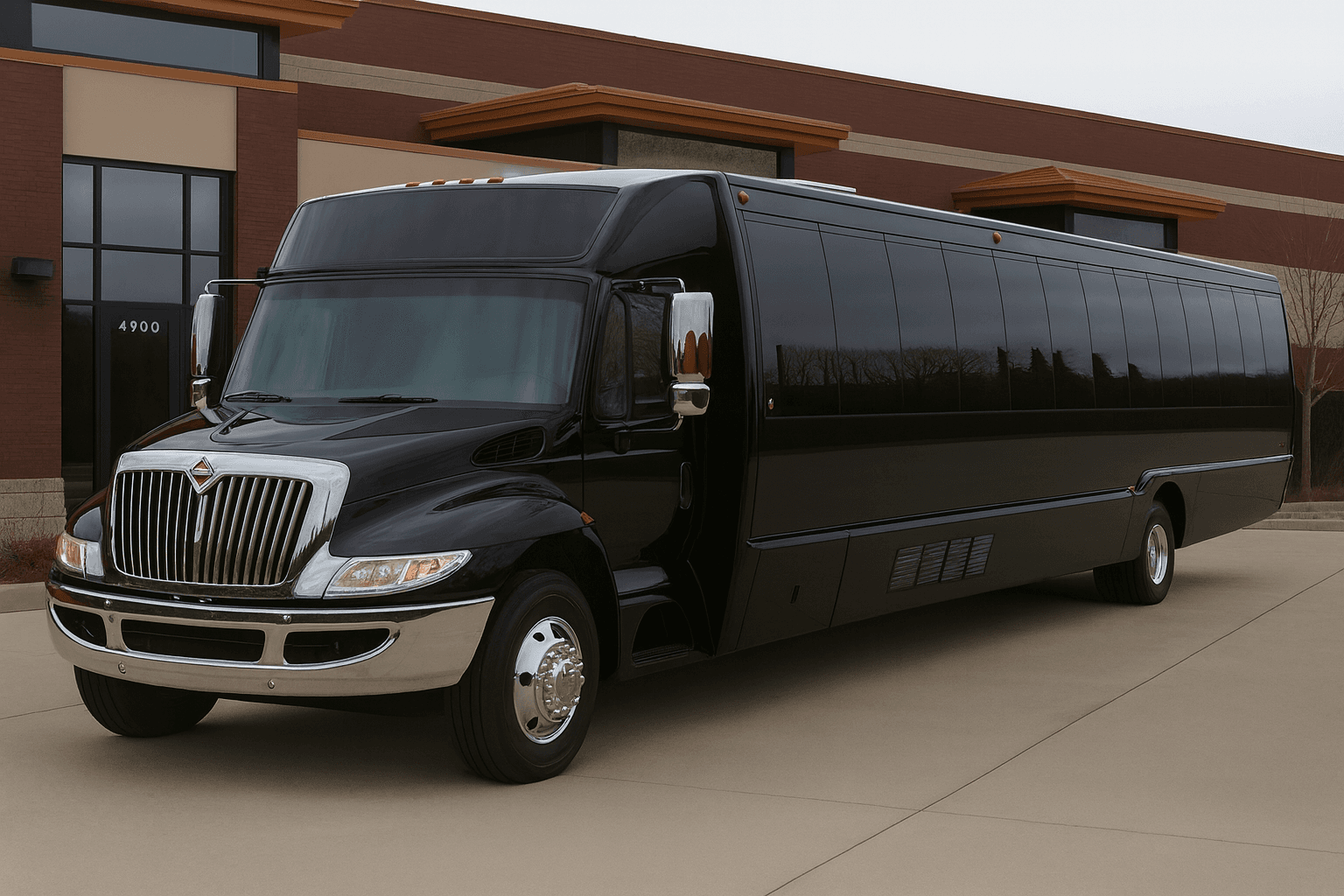
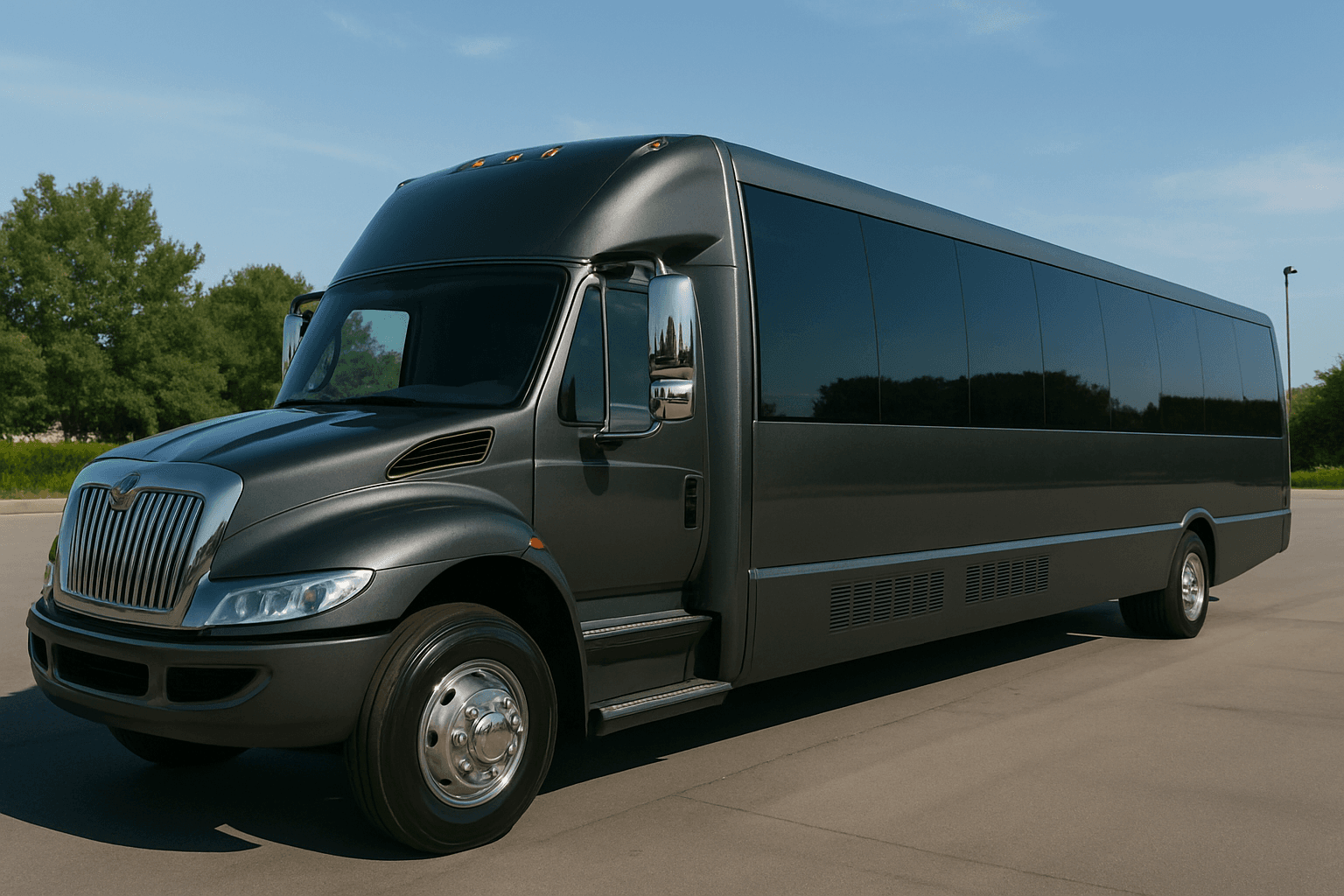
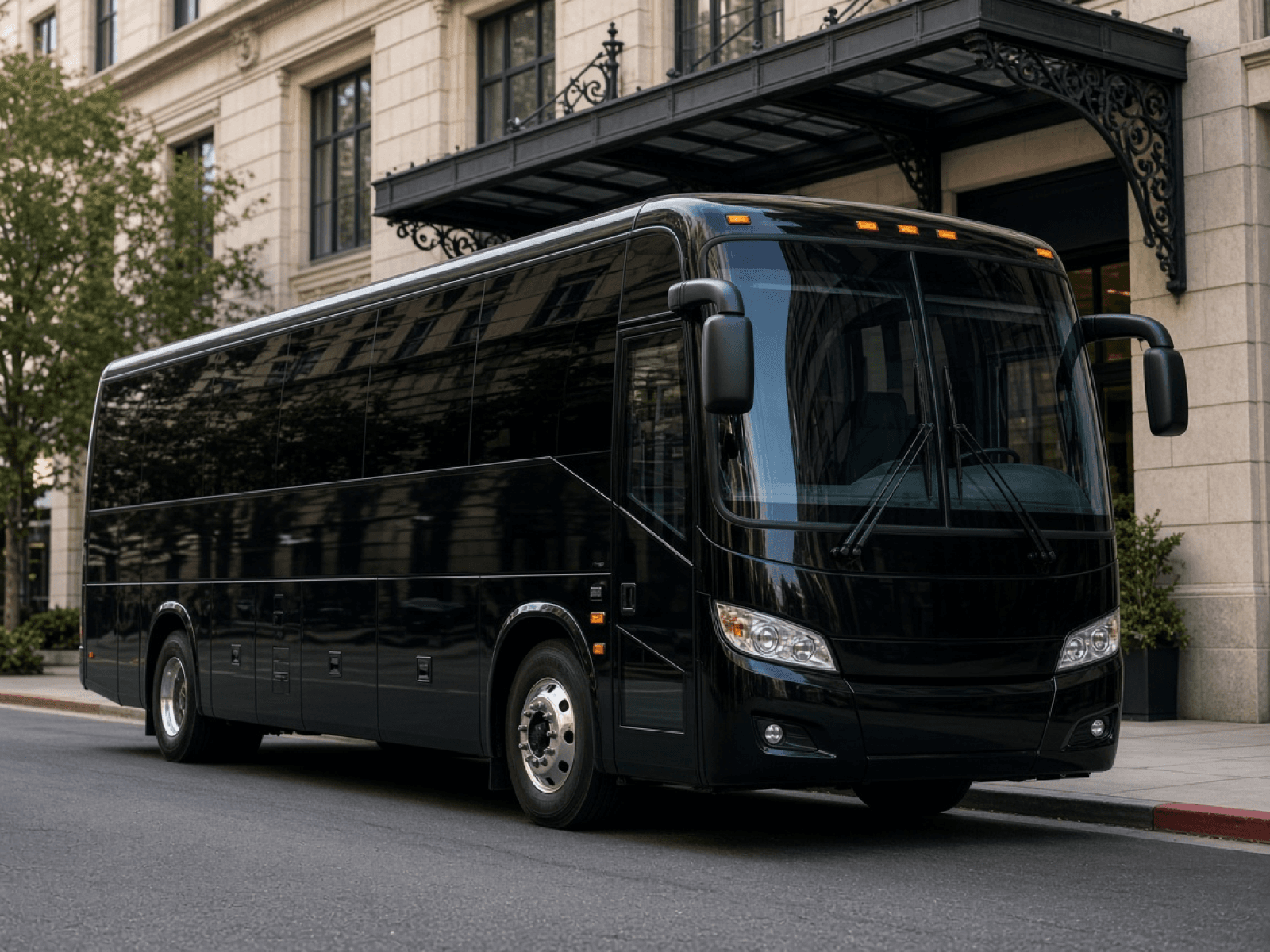
Large groups are a small slice of Austin requests, only about 7% of inquiries in our booking data exceed 30 passengers, but they are the ones with the most moving parts. A 120-guest wedding shuttling between a downtown hotel and a Hill Country venue. A church group of 90 going to a retreat in Wimberley. A company of 75 heading to Circuit of the Americas for a team day, or a fundraiser gala moving donors from a Domain office to a Long Center event. Every one of these is a question of how many vehicles, what size, and how the pickups line up.
Take the combinations as a starting point for a conversation rather than an answer. Decide whether the group needs to ride together or can split, whether luggage and gear favor coaches over party buses, and whether one big pickup or several smaller ones fits the day. Then tell us the total, the addresses, and the schedule. The price we send will lay out the vehicle categories and the terms, and the specific units are confirmed there.
One large vehicle or several smaller ones: the real tradeoff
For any group over 20, the calculator gives you a choice between fewer, larger vehicles and more, smaller ones, and the right answer depends on the trip rather than the math. One 40-passenger bus for 34 people keeps the group together and needs one driver, one pickup point, and one loading spot. Two 20-passenger buses for the same group can leave from two different neighborhoods, drop at two different venues, and split the night in two if half the group wants to leave early.
Cost per seat generally favors the larger vehicle. Full-size coach quotes in our booking data have historically worked out to a median of about $45 per passenger, the lowest in the fleet, while party buses have historically run about $92 and shuttles about $56. Two smaller party buses will usually total more than one coach for the same group. Whether that matters depends on whether the ride is the party or just the transport.
Wedding shuttles: the most common multi-vehicle job in Austin
Weddings are where multi-vehicle planning shows up most often. The median wedding inquiry in our booking data asks for transportation for 20 passengers, but that is usually the wedding party, with a separate guest shuttle on top. A 120-guest wedding at a venue outside Dripping Springs with a hotel block downtown needs more than a seat count; it needs a plan for how many trips each vehicle makes and when.
Enter the guest count that will actually ride, not the invitation count. If 120 are invited and 80 plan to use the shuttle, 80 is the number. The calculator returns a 56-seat coach plus a 24-seat party bus, or two 40-passenger buses. Two 40s can leave the hotel 15 minutes apart, which spreads the arrival at the venue and eases loading; a coach plus a bus can run the wedding party in the smaller vehicle and guests in the larger.
The return trip is where plans fail. Guests leave a reception in waves, not all at once, so a single 56-seat coach making one trip at midnight strands the people who wanted to leave at 10. Two vehicles, or one vehicle making two loops, handles that. Wedding inquiries in our booking data arrive a median of 103 days ahead and about 89% of wedding dates fall on a Friday or Saturday, so this planning belongs three months out, not three weeks.
- ✓Count riders, not invitations, and expect the number to change twice before the date
- ✓Plan the return in waves: an early loop and a late loop, or two vehicles
- ✓Give the venue address and the hotel address so loading spots can be checked
- ✓Put the ceremony, reception, and last-call times on the quote request
Want a number for your actual date?
The estimate gets you in the right range. The price we send you is the one that counts.
Corporate and church groups: coaches, shuttles, and the luggage question
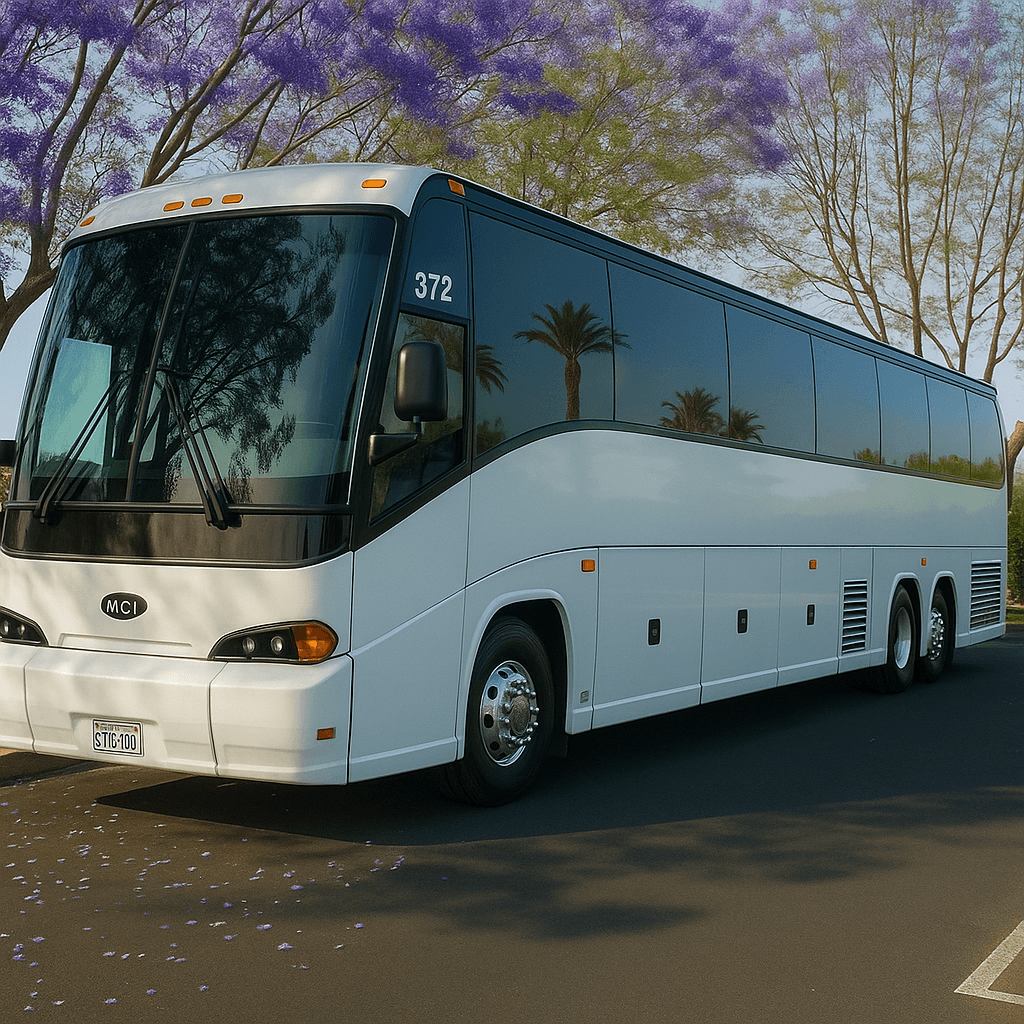
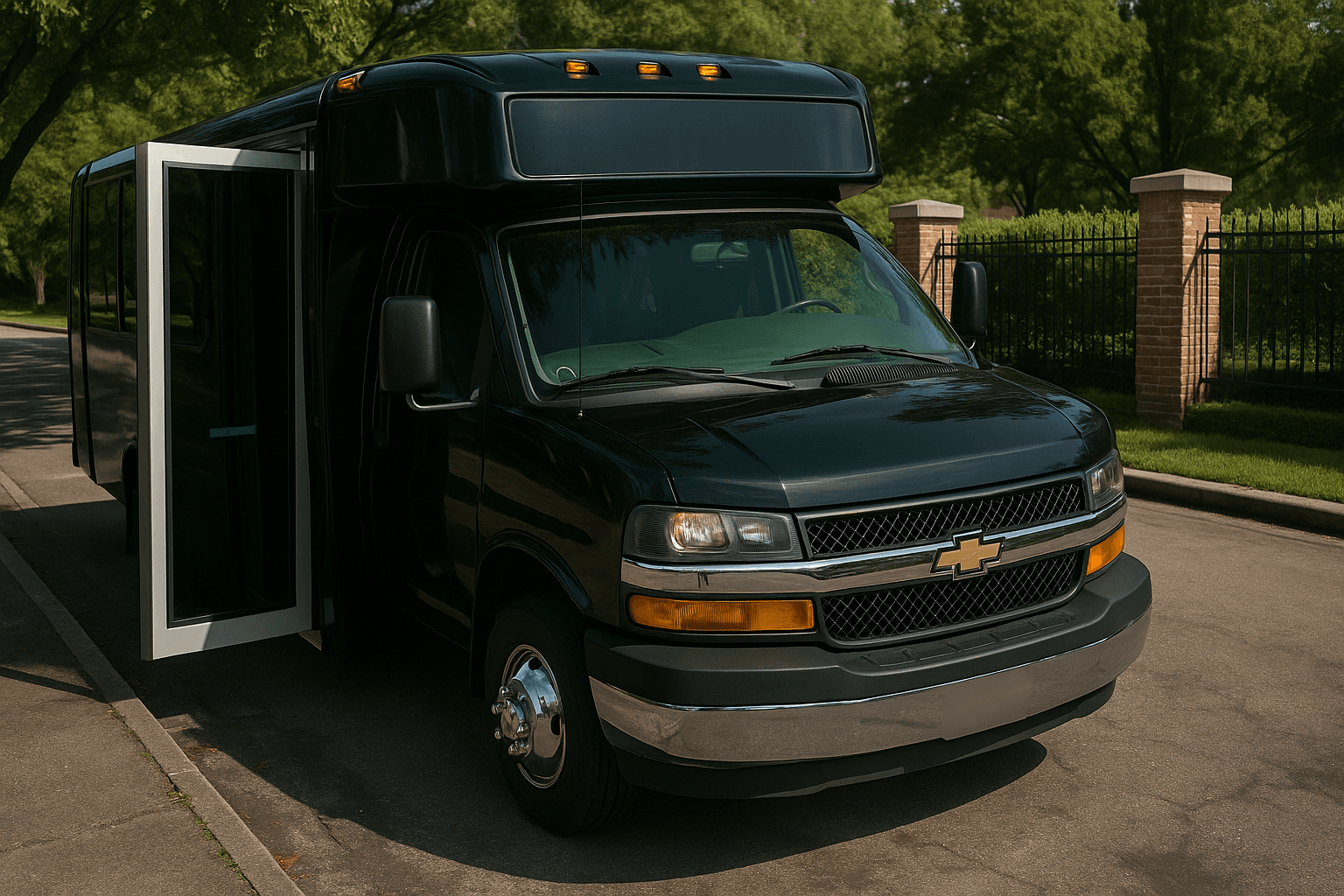
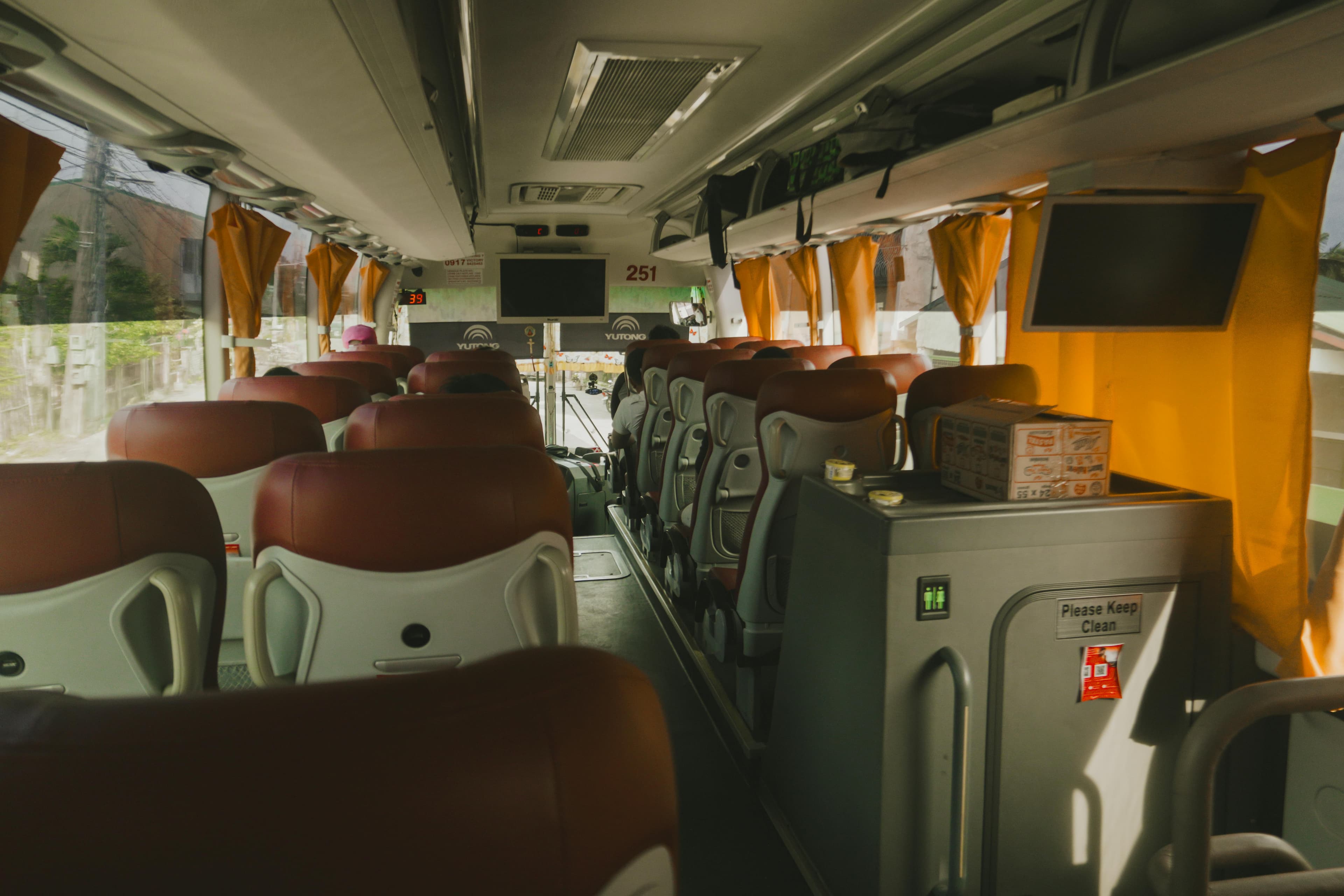
When a company of 60 moves from a downtown office to a team day at COTA, or a congregation of 90 heads to a retreat in Wimberley or Salado, the calculator will show a coach plus a party bus, or two 40-passenger buses. For these groups the coach side of the fleet usually fits better than the party bus side: forward-facing seats, overhead storage, luggage space, and on full coaches, a restroom, reclining seats, WiFi, and power outlets for a two-hour drive.
The median corporate inquiry in our booking data is for 20 passengers, and only 37% of corporate dates fall on a Friday or Saturday, which means corporate multi-vehicle jobs often land on weekdays where availability is widest. That is an advantage: a Wednesday charter for 75 people has more vehicle choices than a Saturday charter for 40. December is the exception, with about 19% of corporate requests, so holiday party shuttles should be requested by early November.
Pickup plans for two or more vehicles across Austin
With one vehicle, the pickup is an address and a time. With two or more, it becomes a plan. The simplest version is one pickup point with both vehicles staged together, which works at a hotel, an office park in The Domain, or a church parking lot. Groups scattered from Georgetown to Kyle are better served by giving each vehicle its own pickup: one loads in Round Rock and comes down I-35, the other loads in Cedar Park and comes down US-183, and both meet at the venue.
Timing between vehicles matters at the destination. Two 40-passenger buses arriving at the same moment at a Rainey Street bar or a Lake Travis marina means one waits while the other unloads. Staggering departures by 10 to 15 minutes solves it. For a stadium event at DKR or Q2, staggered arrivals also help with the lot, and staggered departures after the game avoid both vehicles sitting in the same traffic.
Booking early and what to send with a multi-vehicle request
Large groups plan further ahead, and they should. About 18% of Austin inquiries arrive 90 days or more before the event, and those are mostly weddings, corporate outings, and large charters. The reason is simple: a single 20-passenger bus on a Saturday has substitutes if one is booked; two 40-passenger buses plus a coach on the same Saturday in May, September, or October, the busiest requested months in our booking data, have far fewer.
A useful multi-vehicle request includes the total riders, the vehicle combination you are leaning toward, every pickup address with a time, the destination or destinations, the return plan including whether it runs in waves, and the hours you expect the vehicles to be in service. If some riders need luggage space and others want a party atmosphere, say so; a coach plus a party bus is a common answer to exactly that split.